
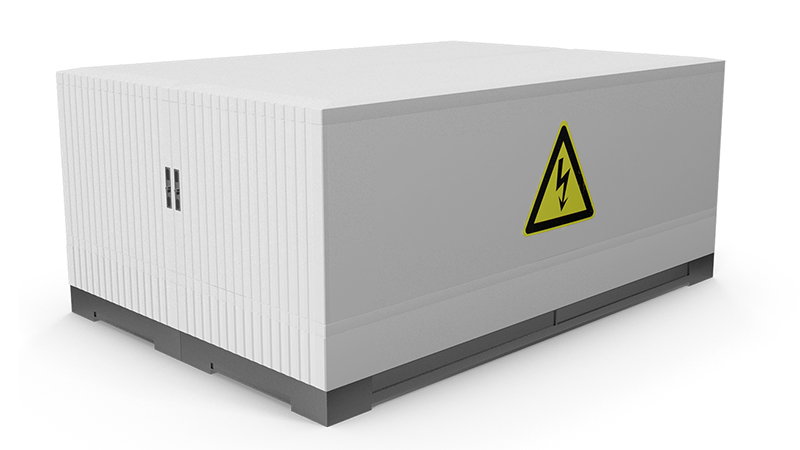
Galvanized steel electrical enclosures combine the formability and stiffness of sheet steel with a zinc coating that helps protect exposed steel. They are widely considered for indoor equipment, sheltered installations and projects that need an economical corrosion-control strategy. The finished cabinet still depends on how the coating, cut edges, welds, fasteners and surface treatment are handled.
Understand the Galvanized Material Route
Pre-galvanized sheet and post-fabrication hot-dip galvanizing are different production routes. Pre-galvanized sheet offers a controlled surface for cutting and bending, but fabrication can expose edges or locally affect the coating. Hot-dip galvanizing after fabrication can cover more of the finished structure, yet coating buildup, drainage, venting and dimensional changes must be considered in the design. The RFQ should identify the required route or allow the manufacturer to propose one for review.
Match Coating and Finish to the Environment
Humidity, condensation, salt, industrial contaminants, abrasion and cleaning chemicals influence material selection. Zinc coating mass or thickness, any supplementary treatment, and whether powder coating is required should be documented. For aggressive or hygienic environments, stainless steel or another material may be more appropriate; compare the options before freezing the drawing.
Fabrication Details That Affect Protection
- Cut edges and holes: define how exposed areas will be treated.
- Welded zones: identify repair and finish requirements after welding or grinding.
- Drainage and water traps: avoid folds and cavities that retain moisture.
- Fasteners and hardware: review compatibility with the zinc-coated structure.
- Gaskets and penetrations: coordinate doors, glands, vents and windows as part of the complete enclosure.
Structural and Thermal Requirements
Sheet thickness should be selected from cabinet size, mounting method, internal equipment mass and acceptable deflection. Large doors and panels may require folds, channels or other reinforcement. Ventilation and cooling decisions should be based on heat load and ambient conditions, while recognizing that openings affect dust, water and EMC performance.
Do Not Assign a Rating From the Material Name
Galvanized steel does not automatically establish an IP, NEMA, fire, impact or corrosion rating. Those claims require a defined enclosure configuration, applicable standard and agreed verification. Specify the target requirements before production so doors, seals, openings and hardware can be evaluated together.
Galvanized Enclosure RFQ Checklist
- Drawings or model and current revision
- Dimensions, quantity and internal equipment layout
- Steel grade, thickness and galvanizing route
- Coating or finish requirements and cosmetic limits
- Door, mounting, lock, hinge and cable-entry details
- Installation environment and target enclosure rating
- Inspection records, packaging and delivery requirements
Review a specific custom galvanized steel electrical enclosure, compare aluminum enclosure considerations, or send drawings through the contact page for a project-level quotation.











