

1. Structural Design Rules for Easy Electrical Cabinet Maintenance
In control equipment, we must arrange electrical components and circuits so they’re easy to operate and fix, while keeping the necessary safety level. That’s why Anstorm cabinets follow these rules:
(1) Leave enough space for tools to work.
(2) Make the cabinet, cabinet doors, and hinged covers with rounded edges and corners. Also, keep any outward-sticking edges as short as possible.
(3) To keep operators safe from sharp edges, rough spots, and pointy corners, try to avoid parts that stick out. If you can’t, add protective pads or clearly mark them.
(4) Use sunken handles instead of ones that stick out. This saves space, keeps people from getting hurt, and stops them from catching on other parts or wires.
To keep the structure simple, reliable, and easy to use, follow this order of preference:
(1) Fasteners: quick-release types (long locks → snap locks → clamps → tethered fasteners → screws → bolts).
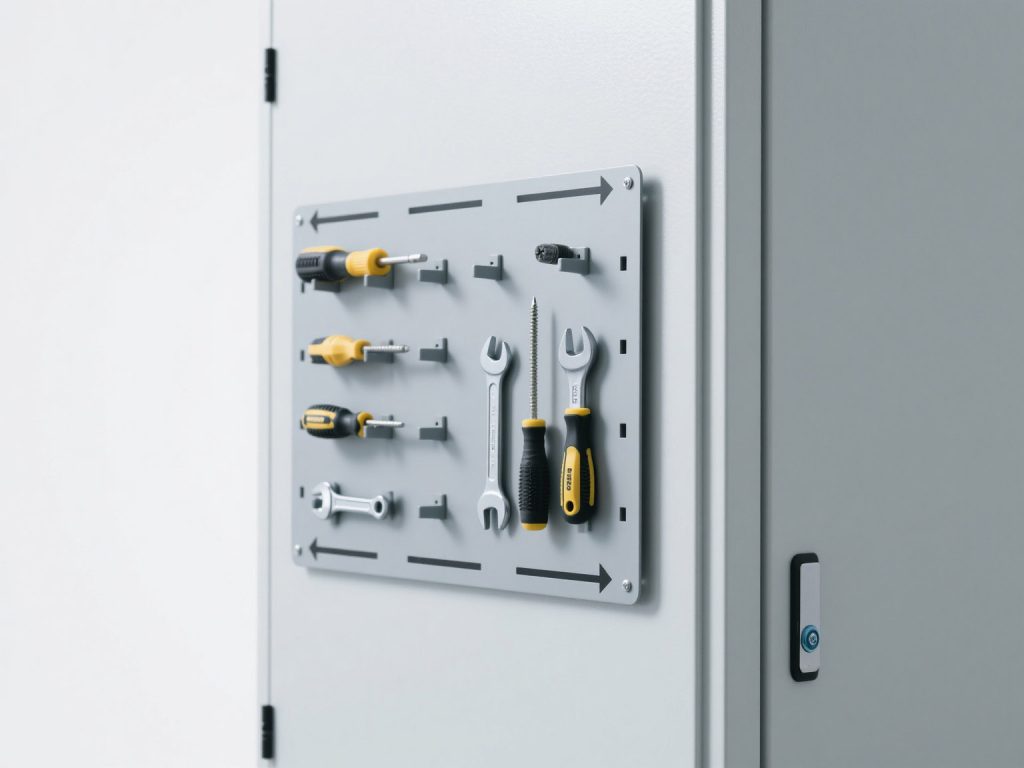
(2) Ways to operate: use many common tools → use just one common tool → use special tools (try to avoid this).
2. Design for Moving Control Cabinets
(1) When designing the size of the control equipment cabinet, make sure it fits transportation standards so it’s easy to move and carry.
(2) The cabinet’s structure must be strong and stiff enough so it won’t get damaged when moving or carrying.
(3) Our designers must mark the weight of the control equipment and its parts when designing the electrical cabinet. They also need to show where detachable parts are and how much they weigh.
(4) To make it easy to move, transport, install, fix, and carry the electrical control cabinet—and to keep it safe and reliable when moving—we’ll design good lifting hooks or put movable wheels on the bottom of the cabinet.
(5) The cabinet must work well even when being transported, bumped, jolted, or shaken as specified. If needed, our designers will add shock-absorbing parts.
(6) When designers know how much the installation site shakes, they’ll use different anti-shake methods. For example, they might use rubber pads or shock-absorbing springs.
Related Articles:
Control Cabinet Appearance And Design Requirements










