
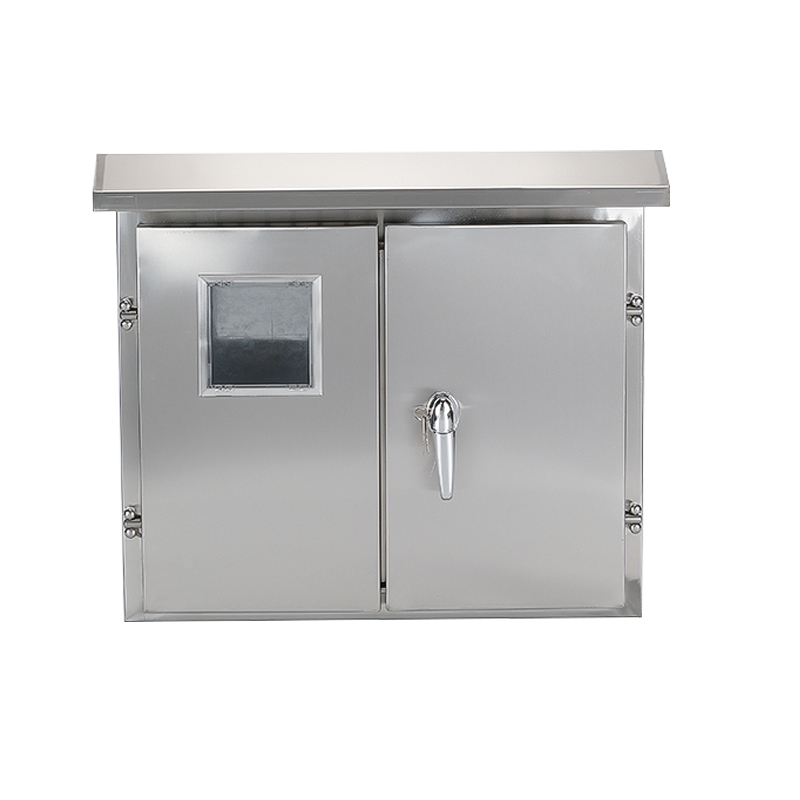
Choosing metal vs plastic electrical enclosures requires more than comparing weight or price. The enclosure must suit structural loads, temperature, corrosion, electrical behavior, openings, production volume and the complete installation environment.
Strength and Structural Stiffness
Steel, stainless steel and aluminum can support large panels, doors and equipment loads when the structure is designed correctly. Plastic may be practical for smaller or lighter housings, but stiffness, creep and impact behavior depend on resin, wall thickness, ribs and temperature. Neither material should be selected from a generic strength claim.
Weight and Manufacturing Method
Plastic and aluminum can reduce weight compared with steel. Sheet metal is suitable for laser cutting, bending, welding and relatively flexible customization. Molded plastic may become economical at suitable production volumes, but tooling cost and design changes need consideration.
Corrosion and Chemical Exposure
Plastic does not rust, while metals use material selection and finishes to manage corrosion. Stainless grades, aluminum alloys, galvanized steel and coatings behave differently in salt, chemicals and cleaning environments. Plastic compatibility also varies by resin and exposure, so the actual chemical list and temperature should be reviewed.
Heat, Fire and Environmental Conditions
Thermal conductivity, maximum service temperature, flammability and sunlight exposure can influence selection. Metal can transfer heat but may also require insulation or controlled bonding. Plastic provides electrical insulation, yet heat and UV aging must be considered for the chosen material.
EMC, Grounding and Electrical Interfaces
Metal can support shielding when seams, openings, cable entries and bonding are designed as a system. Conductive parts require protective grounding as defined by the electrical design. Plastic is nonconductive, but EMC needs may require coatings or additional shielding components.
Selection Checklist
- Cabinet size, load and mounting method
- Temperature, sunlight, chemicals and moisture
- Impact, access and service requirements
- EMC, grounding and electrical safety needs
- Quantity, tooling, customization and lifecycle cost
Compare the aluminum enclosure guide and stainless steel enclosure options. If sheet metal is selected, send the specification through the contact page.











