
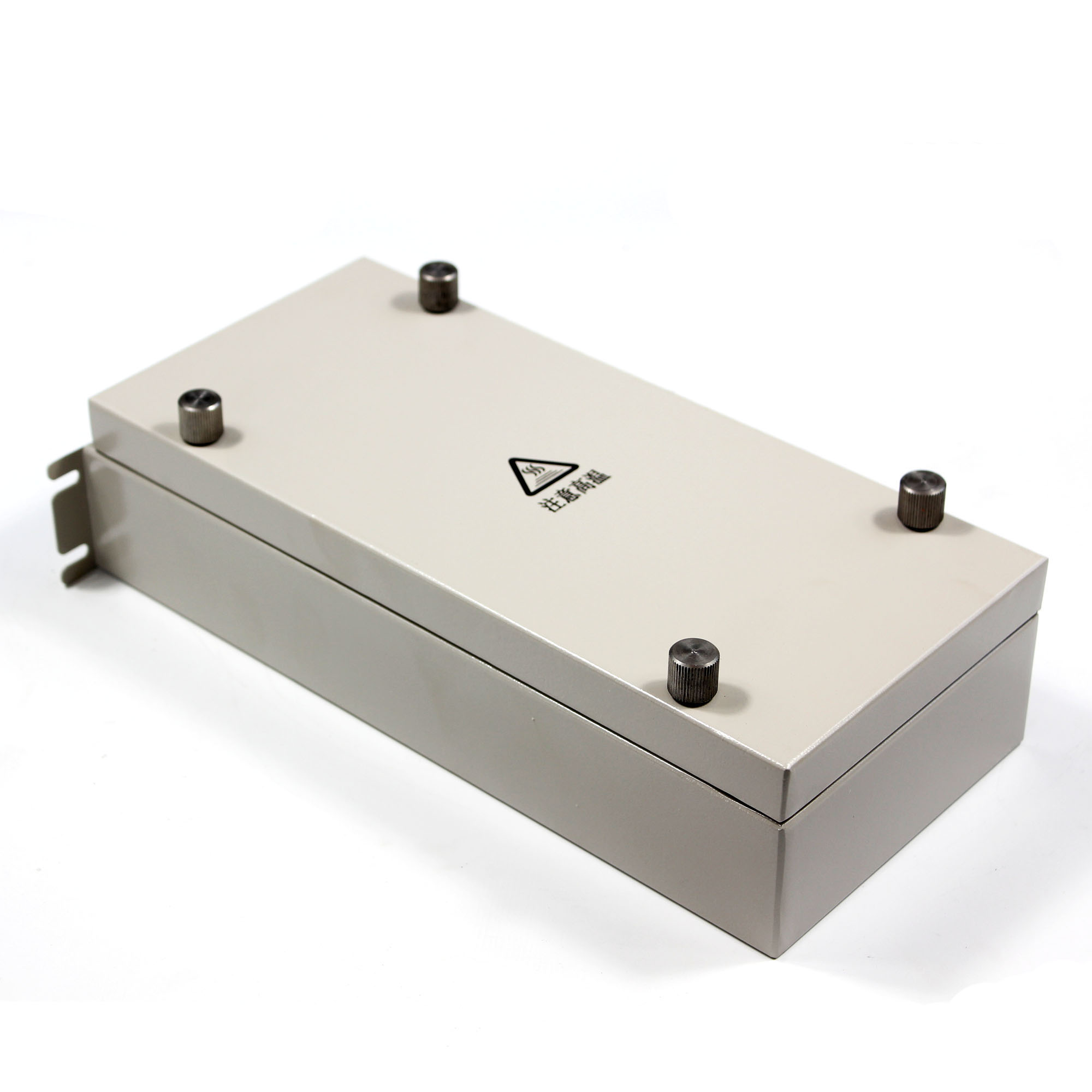
Compare the Materials
Three common materials for enclosure shells are stainless steel, aluminum, and galvanized steel. Each suits different conditions.
Stainless Steel
Stainless steel offers strong corrosion resistance and cleanability. It is a common choice for food, pharmaceutical, marine, and outdoor applications.
Aluminum
Aluminum is lighter than steel and resists corrosion. It is often used where weight matters.
Galvanized Steel
Galvanized steel provides corrosion resistance at a lower cost. It is widely used for general indoor and outdoor cabinets.
How to Decide
Base the choice on the operating environment, corrosion exposure, weight, and budget. We manufacture enclosure bodies in all three materials to your drawings.
Request a Quote
Send your requirements through the contact page.
Compare the Installation Environment
Humidity, salt, chemicals, sunlight, cleaning and temperature should be recorded before selecting material. No single metal is best for every site.
Stainless Steel
Stainless steel is considered where corrosion resistance and cleanability are priorities. Grade and finish still need to match the exposure, and fabrication details can affect the completed surface.
Aluminum
Aluminum can reduce weight and is practical for machining and sheet-metal fabrication. Alloy, temper, galvanic contact and finish should be specified.
Galvanized and Coated Steel
Steel provides stiffness and economical fabrication. Galvanizing or coating manages corrosion, but cut edges, weld repairs, drainage and coating damage need attention.
Compare Total Project Requirements
Consider load, cabinet size, thermal behavior, appearance, production quantity, maintenance and documentation. Material alone does not create an IP or NEMA rating.
Material Selection RFQ
Provide site exposure, dimensions, loads, finish, quantity and target verification. Compare the aluminum guide and galvanized steel guide, then send requirements through the contact page.
Document Acceptable Alternatives
If more than one material may meet the requirement, define functional acceptance criteria and request separate pricing. Any substitution should trigger review of thickness, finish, fasteners, weight and environmental assumptions.
For lifecycle comparison, include surface maintenance, replacement hardware, transport weight and the cost of changing drawings or tooling after material selection.











