
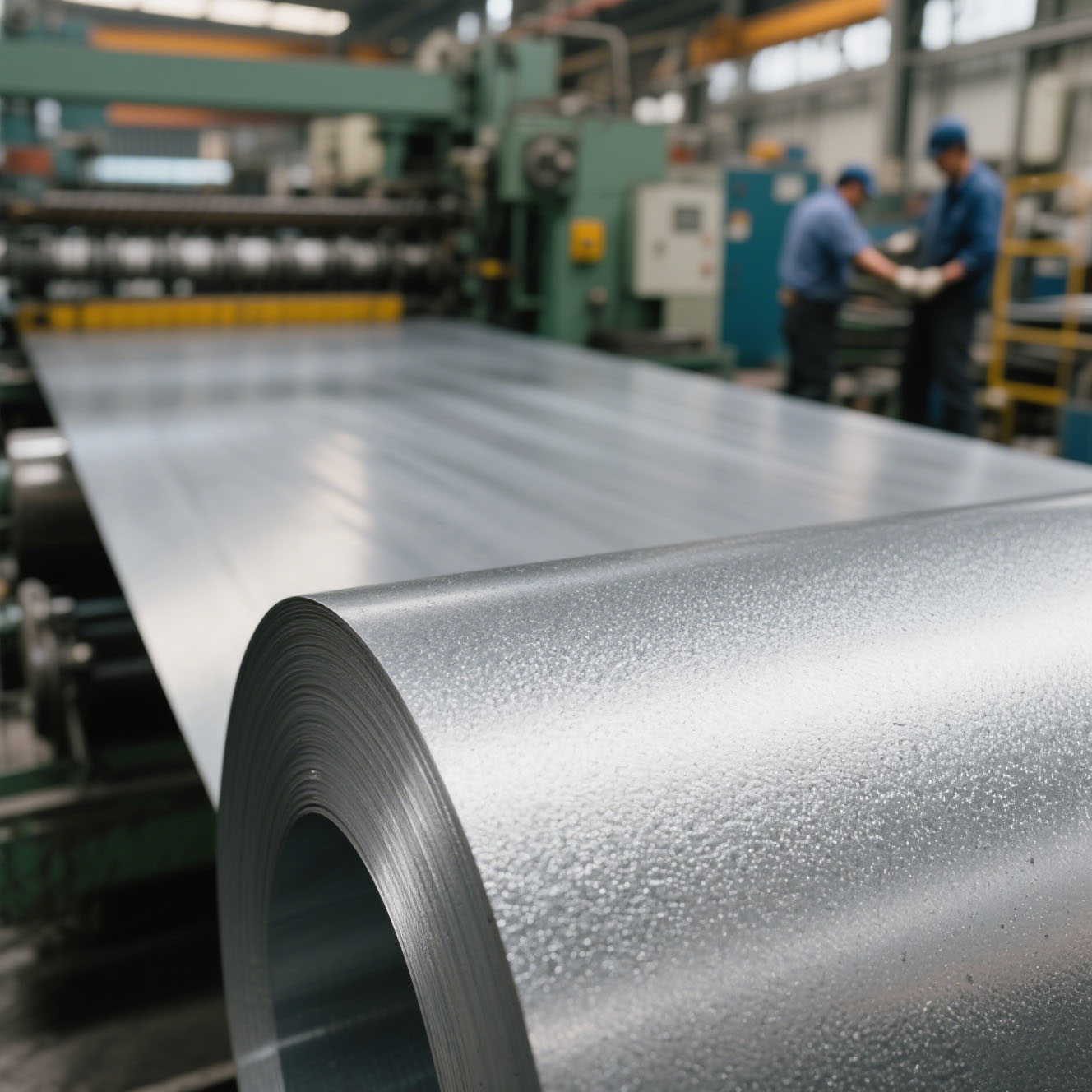
The Influence of Mechanical Properties of Cabinet Materials on the Mechanical Strength of CabinetsDuring cabinet structural design, the stiffness of cabinet components often fails to meet design requirements. In such cases, structural designers often replace low-carbon steel with medium-carbon steel or stainless steel. They also substitute ordinary aluminum alloys with hard aluminum alloys that are stronger and harder, hoping to improve the stiffness of the components. However, this has little impact. Methods such as heat treatment and alloying can significantly increase the strength and hardness of materials with the same base material but have little impact on stiffness. Improving the stiffness of components is only possible by changing the materials and the components’ shape. Table2.1.1 shows the elastic and shear moduli of the different materials
Table 2.1.1: Elastic Modulus and Shear Modulus of Common Materials
| Name | Elastic Modulus E (GPa) | Shear Modulus G (GPa) | Name | Elastic Modulus E (GPa) | Shear Modulus G (GPa) |
| Gray Cast Iron | 18 – 126 | 44.3 | Rolled Zinc | 82 | 31.4 |
| Ductile Cast Iron | 173 | – | Lead | 16 | 6.8 |
| Carbon Steel, Chrome-Nickel Steel | 206 | 79.4 | Glass | 55 | 1.96 |
| Cast Steel | 202 | – | Plexiglass | 2.35 – 2.94 | – |
| Rolled Pure Copper | 108 | 39.2 | Rubber | 0.0078 | – |
| Cold-Drawn Pure Copper | 127 | 48 | Bakelite | 1.96 – 2.94 | 0.69 – 2.06 |
| Rolled Phosphor Tin Bronze | 113 | 41.2 | Cloth-Backed Phenolic Plastic | 3.95 – 8.83 | – |
| Cold-Drawn Brass | 89 – 97 | 34.3 – 36.3 | Celluloid | 1.71 – 1.89 | 0.69 – 0.98 |
| Rolled Manganese Bronze | 108 | 39.2 | Nylon 1010 | 1.07 | – |
| Rolled Aluminum | 68 | 25.5 – 26.5 | Hard Tetrachloroethylene | 3.14 – 3.92 | – |
| Drawn Aluminum Wire | 69 | – | Polytetrafluoroethylene | 1.14 – 1.42 | – |
| Cast Aluminum Bronze | 103 | 11.1 | Low-Density Polyethylene | 0.54 – 0.75 | – |
| Cast Tin Bronze | 103 | – | High-Density Polyethylene | 0.147 – 0.24 | – |
| Hard Aluminum Alloy | 70 | 26.5 | Concrete | 13.7 – 33.92 | 4.9 – 15.69 |
When we design different parts of a cabinet, we carefully choose the materials based on how they will be used. For example, cold-rolled steel sheets offer much better strength than hot-rolled steel sheets, making them ideal for structures that need to carry heavy loads. On the other hand, while aluminum sheets are easy to work with, they don’t have the same strength. That’s why we always match each material to the part’s function.

For non-load-bearing sections like inner partitions, we often use thinner materials such as Q195 or Q175 steel. These steels have lower strength, but they are still a good fit for areas that don’t need to support weight. We can also improve the strength of these parts by changing their shape during processing—for example, by adding bends or folds.
When we design mounting structures for heavy components or high-current equipment, we pick materials that offer enough hardness and toughness. We also make sure the design provides strong support. If the mounting section connects directly to the cabinet frame, we pay close attention to how the materials join together. A strong and secure connection is key to keeping the cabinet safe and reliable over time.
If you want more details about the mechanical strength and other properties of different materials, we recommend checking a materials handbook or catalog. Choosing the right material for each cabinet part is not just about cost—it also affects durability, safety, and performance.











