
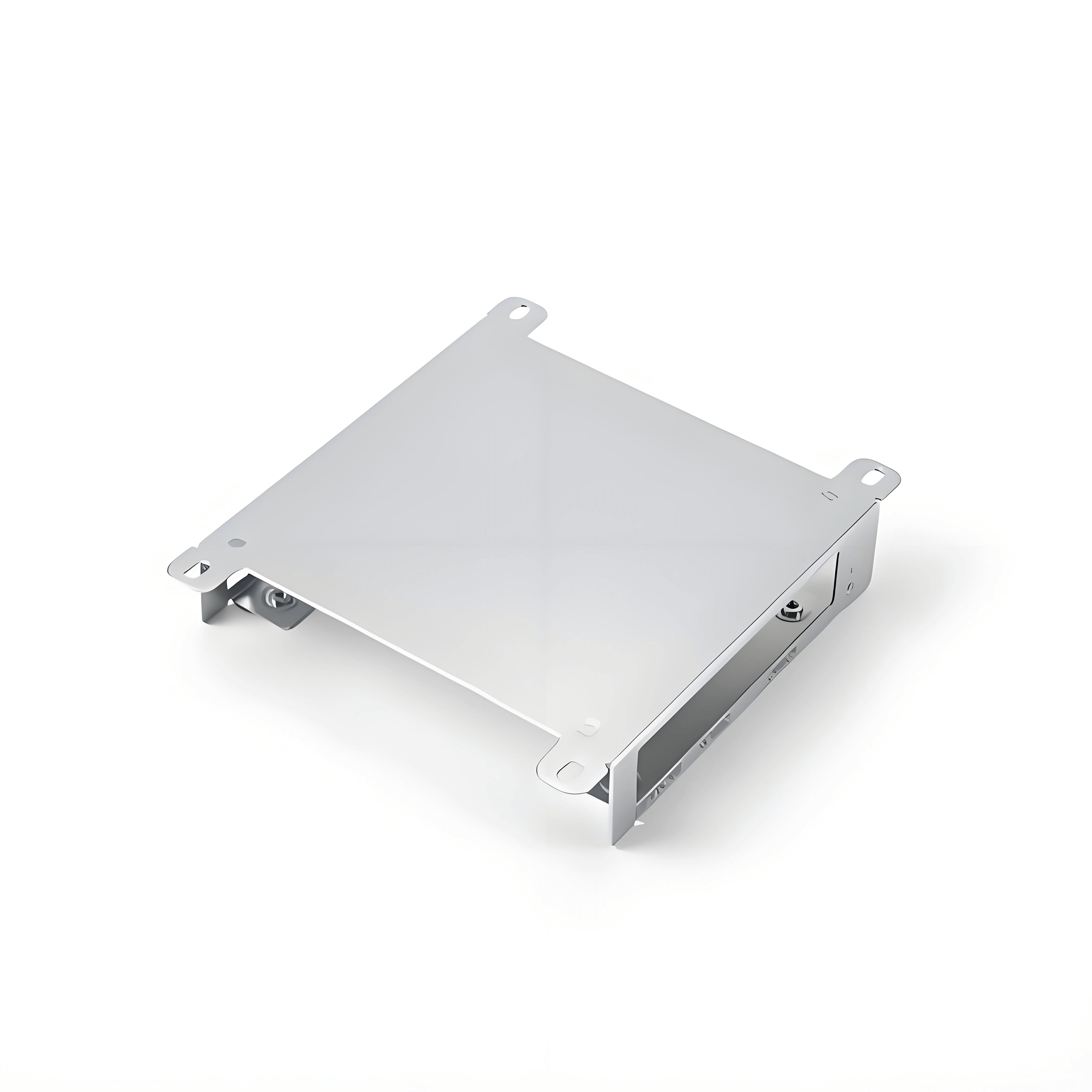
Control cabinet mechanical strength must be evaluated against the real cabinet size, installed equipment, mounting method, transport route and operating environment. A material name or sheet thickness by itself cannot prove that a finished enclosure is strong enough.
Define the Loads Before Selecting the Structure
List the mass and position of internal equipment, mounting plates, doors, cable bundles and external accessories. Include loads from lifting, transport, anchoring and normal service. If vibration, shock or seismic requirements apply, identify the applicable specification and acceptance method before structural details are frozen.
Control Panel and Door Deflection
Large flat areas can flex even when the material is strong. Bends, return flanges, ribs, channels or a supporting frame can increase stiffness. Doors also need enough rigidity to maintain lock alignment and gasket compression. The allowable deflection should be based on function rather than an arbitrary universal value.
Review Joints and Load Paths
Welds, bolts, clinch fasteners and folded joints transfer loads differently. The drawing should show how equipment loads reach the frame, base or wall-mounting points. Avoid concentrating heavy components on unsupported panels. Removable connections should resist loosening under expected vibration while remaining serviceable.
Base, Anchoring and Lifting Provisions
Floor-standing cabinets need a stable base and defined anchoring locations. Wall-mounted enclosures require mounting points suited to the cabinet mass and site structure. Lifting eyes or transport features should be designed for the actual configuration and clearly identified; they should not be added as decorative accessories without load review.
Mechanical Access and Safety
Doors, panels and drawers should remain controlled during use and maintenance. Check hinge capacity, door stops, locking points and the risk of tipping when heavy equipment or sliding assemblies move. Fastener projection and exposed edges should not create avoidable hazards.
Verification and Inspection
- Check critical dimensions, squareness and visible distortion.
- Confirm reinforcement and joint details against the approved drawing.
- Operate doors, locks, removable panels and moving assemblies.
- Inspect anchors, mounting interfaces and lifting provisions.
- Perform agreed load, vibration or transport tests when the specification requires them.
- Record configuration and revision so results apply to the tested design.
Strength claims should be limited to the configuration and verification performed. Continue with the steel control cabinet assembly requirements and the electrical control cabinet category. For a project review, provide the equipment layout and load information through the contact page.











