
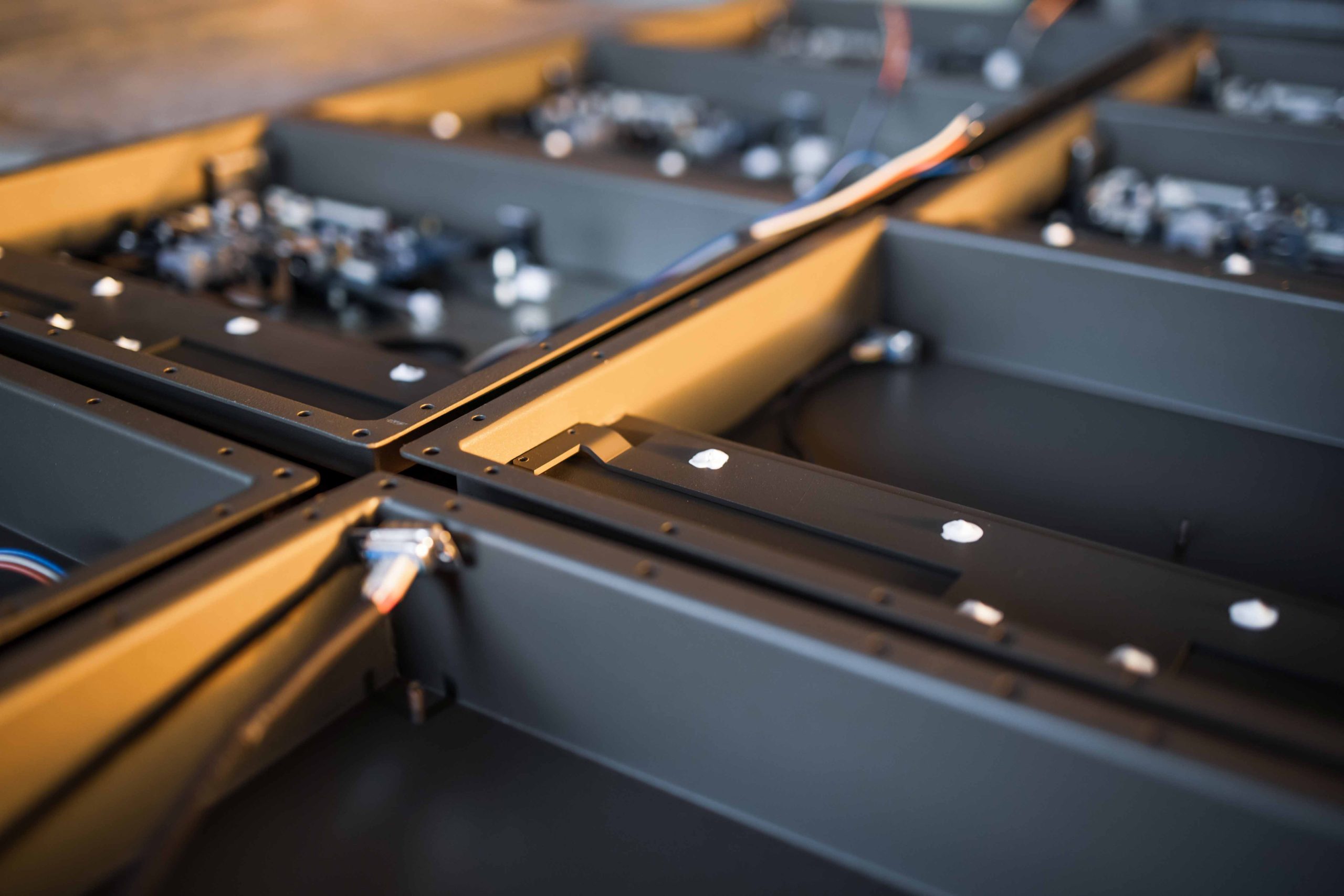
19-inch equipment racks and cabinets use a standardized mounting width, but the usable enclosure still depends on height, depth, load, access and installed hardware. Buyers should define the complete equipment envelope instead of selecting a cabinet from the nominal rack width alone.
Understand the 19-Inch Mounting Interface
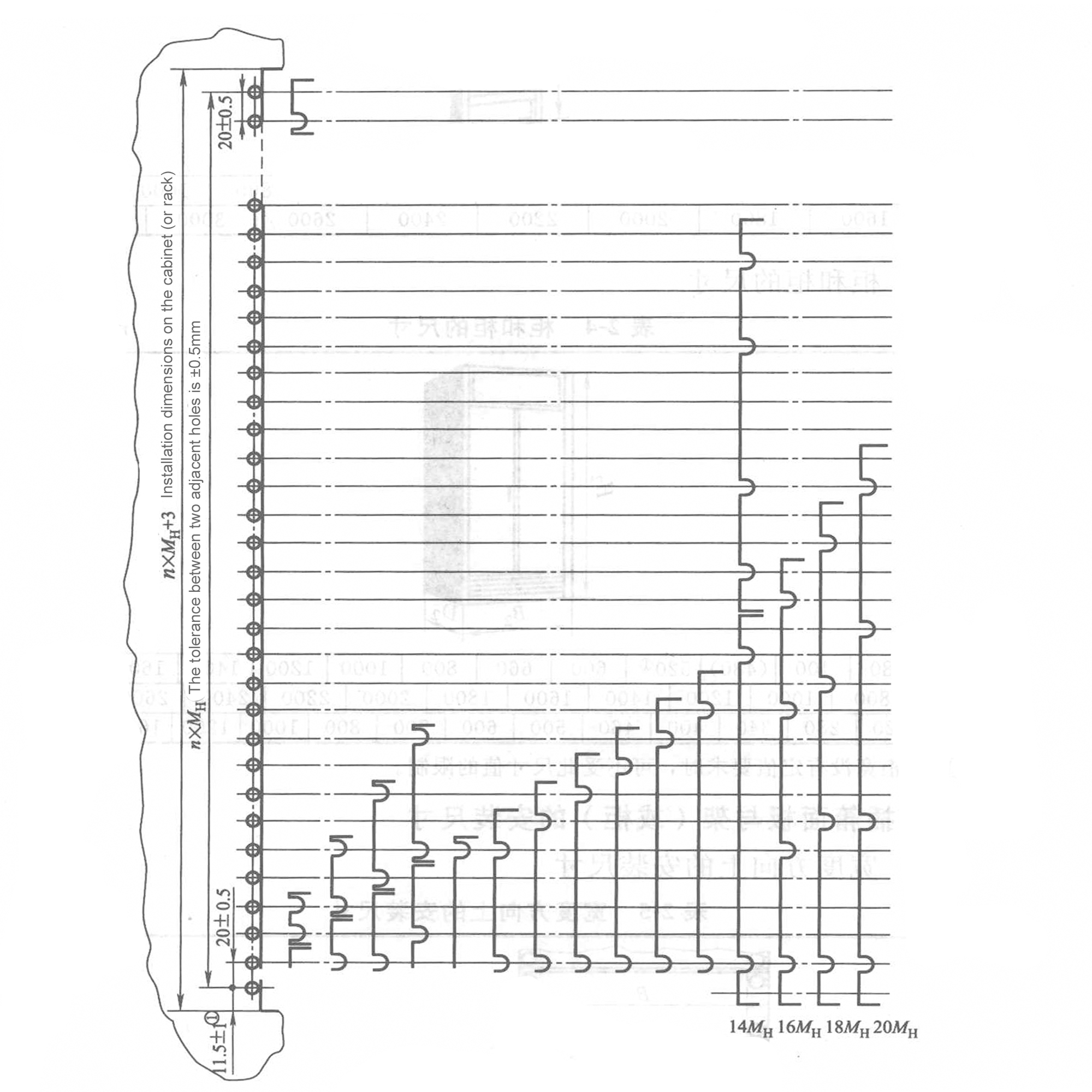
The 19-inch designation refers to the front mounting interface, commonly stated as 482.6 mm. Equipment height is normally organized in rack units, while cabinet height also includes the base, top, clearances and any cable or ventilation space. Confirm the required hole pattern, rail position and front-to-rear mounting distance against the actual equipment.
Define Cabinet Depth and Equipment Clearance
Depth must accommodate the equipment body, connectors, bend radius, power distribution and service access. Rear doors, removable panels and cable managers consume additional space. A drawing should show the mounting rail locations and the minimum clearance needed at the front and rear.
Check Load and Structural Support
State the mass and location of installed equipment. Rail capacity, frame stiffness, base design, anchoring and transport loads should be reviewed together. Heavy devices may need four-point support rather than front mounting alone. Load claims apply only to the defined structure and verification method.
Plan Cooling, Cable Entry and Access
- Provide equipment heat load and ambient conditions.
- Define passive ventilation, fan, heat exchanger or cooling requirements.
- Show top, bottom or rear cable-entry locations and sealing needs.
- Confirm door swing, removable panels and maintenance clearances.
- Identify grounding and bonding points for rails, doors and panels.
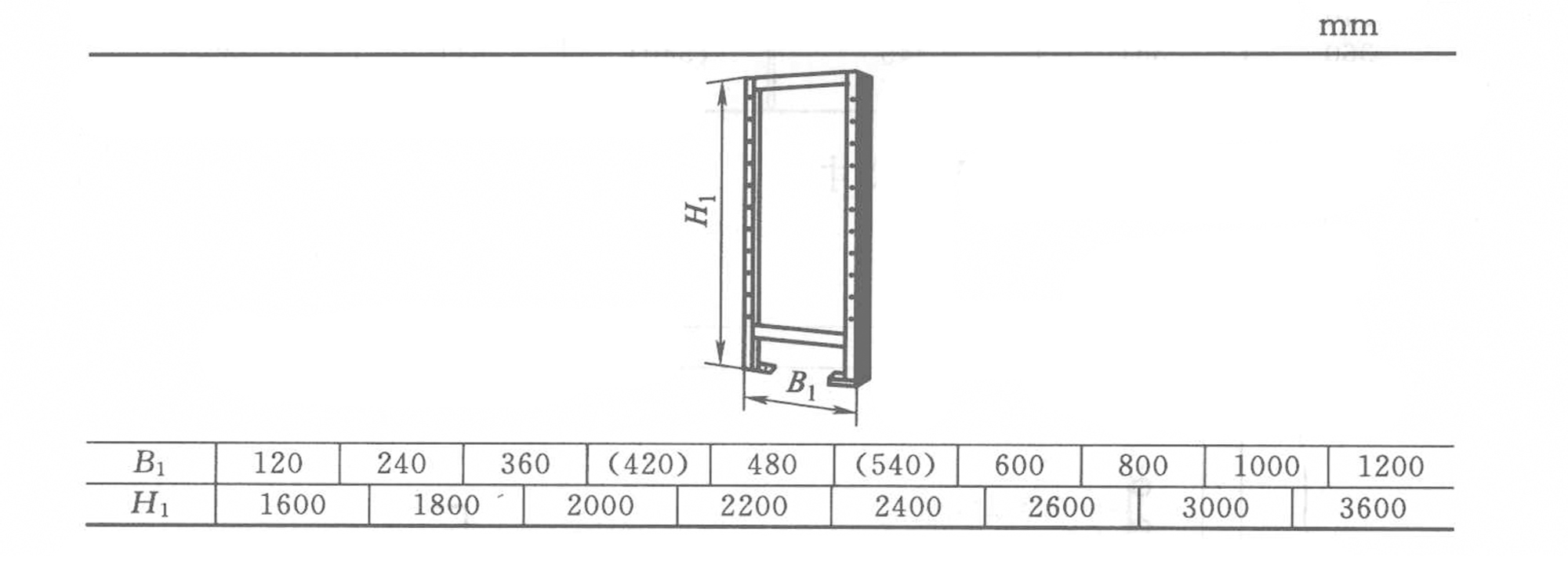
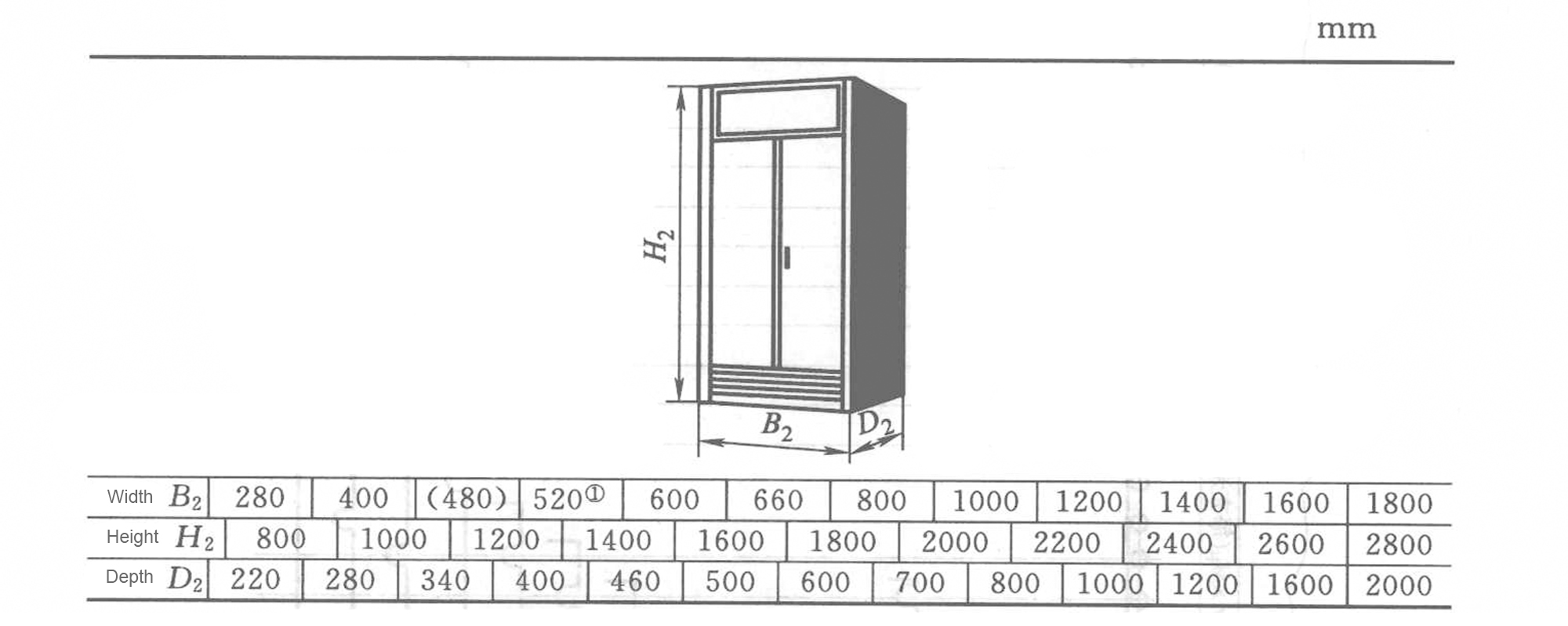
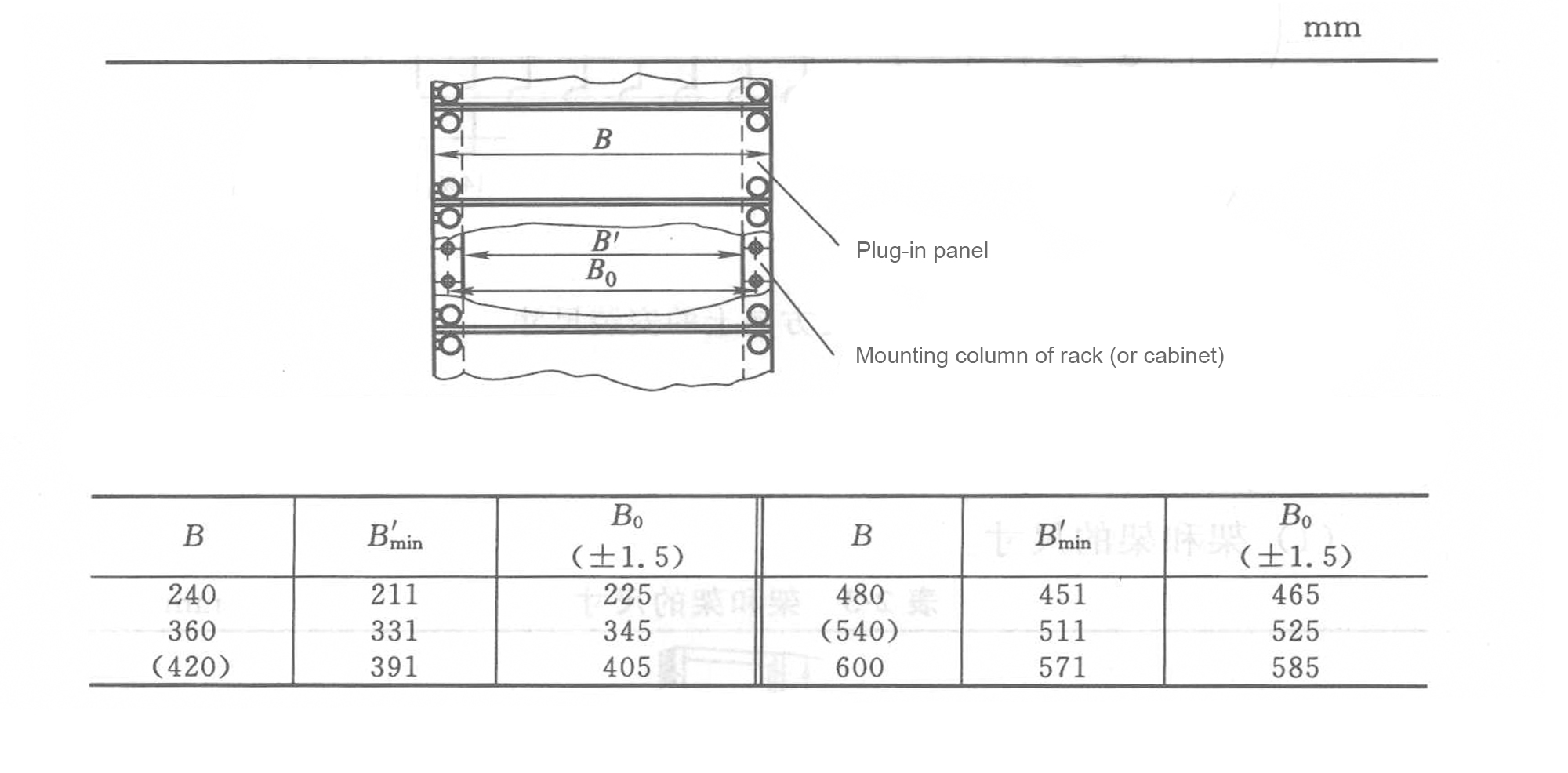
Cabinet and Plug-In Panel Dimensions
RFQ Checklist
Provide rack-unit count, overall size, equipment list and mass, rail arrangement, door and panel requirements, cable paths, thermal data, material, finish, target environmental protection and required inspection records. Include expected production quantity and transport constraints so the base, lifting and packaging approach can be reviewed with the cabinet structure.
Review the standard folded steel cabinet, the 3D enclosure design workflow, or send controlled drawings through the contact page.











