
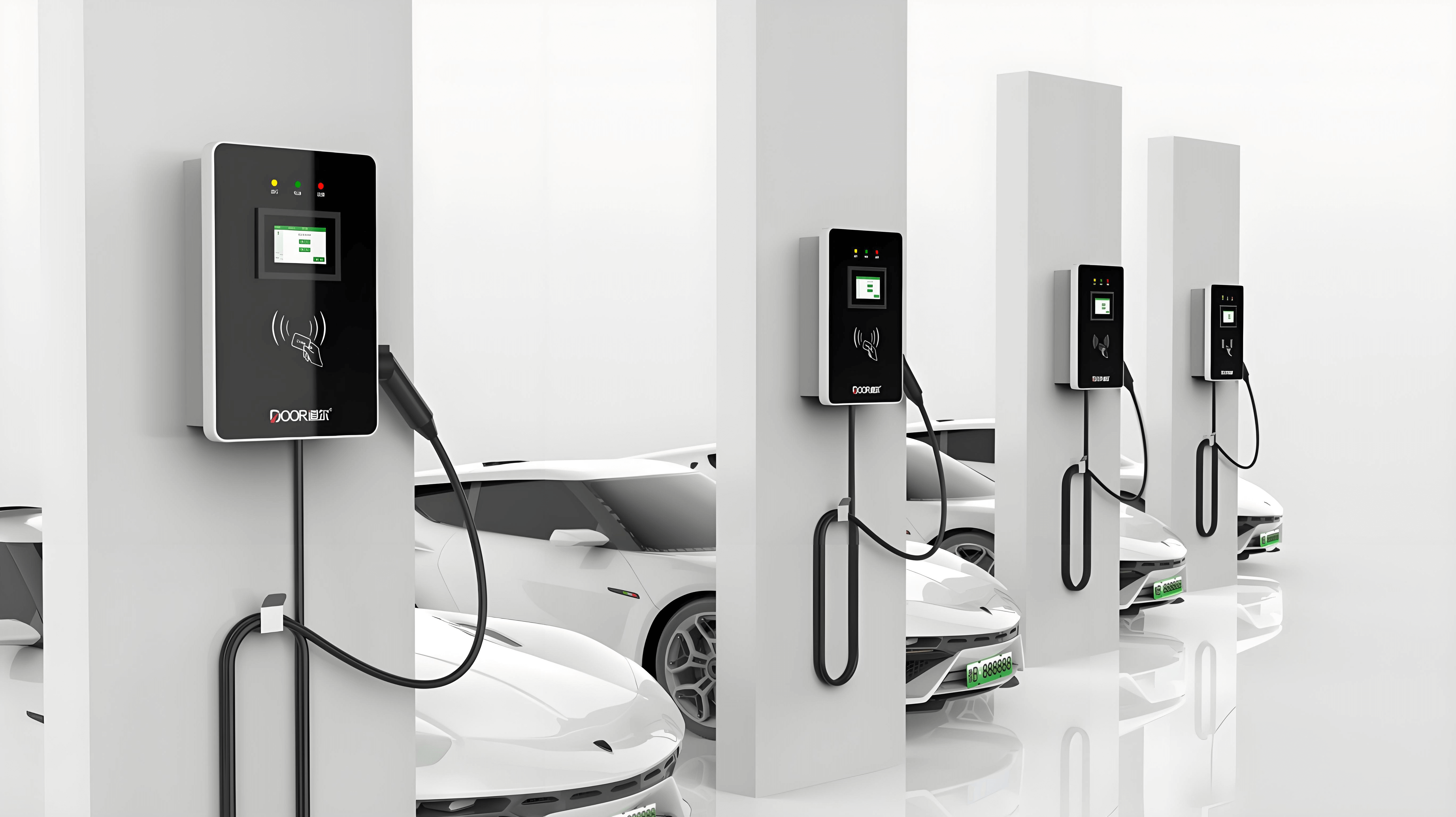
Renewable energy electrical enclosures may be installed near solar arrays, wind equipment, energy storage or EV charging systems. Exposure differs widely between sites, so enclosure material, sealing, thermal management and mounting should be based on documented conditions rather than a generic outdoor label.
Start With the Installation Site
Define indoor, sheltered or exposed outdoor placement and record temperature, sunlight, moisture, salt, dust, altitude, chemicals and cleaning practices. Coastal and industrial sites may require different corrosion strategies. Condensation risk can remain significant even when direct rain is excluded.
Select Material and Finish
Stainless steel, galvanized steel, coated carbon steel and aluminum offer different combinations of weight, formability, cost and corrosion behavior. Specify grade, thickness and finish with the environment in mind. Cut edges, welds, fasteners and dissimilar-metal interfaces must be considered as part of the finished cabinet.
Design Doors, Seals and Cable Entries
Gasket compression depends on door stiffness, hinges and locks. Cable glands, connectors, vents and displays can become critical interfaces. Drawings should identify every opening and the installed accessory. Field modifications need a controlled method if the target protection is to be maintained.
Manage Heat and Solar Exposure
Provide equipment heat load, ambient range and solar exposure. Passive ventilation, fans, heat exchangers or active cooling may be considered, but openings and cooling components affect the complete protection configuration. Thermal claims should be based on the defined equipment and site conditions.
Mounting, Access and Maintenance
Wall, pad, pole or equipment-frame mounting introduces different loads and interfaces. Service access, door swing, replacement paths and cable routing should be checked against the installation layout. Lifting and transport provisions need review for the actual cabinet mass.
Renewable Energy Enclosure RFQ Checklist
- Application, site location and environmental exposure
- Equipment layout, mass and heat load
- Material, finish and corrosion requirements
- Mounting, doors, cable entries and cooling
- Target rating, standard and verification evidence
- Quantity, inspection records and packaging
Review weather-resistant enclosure options and the stainless steel cabinet guide. Send the site specification and drawings through the contact page.











