
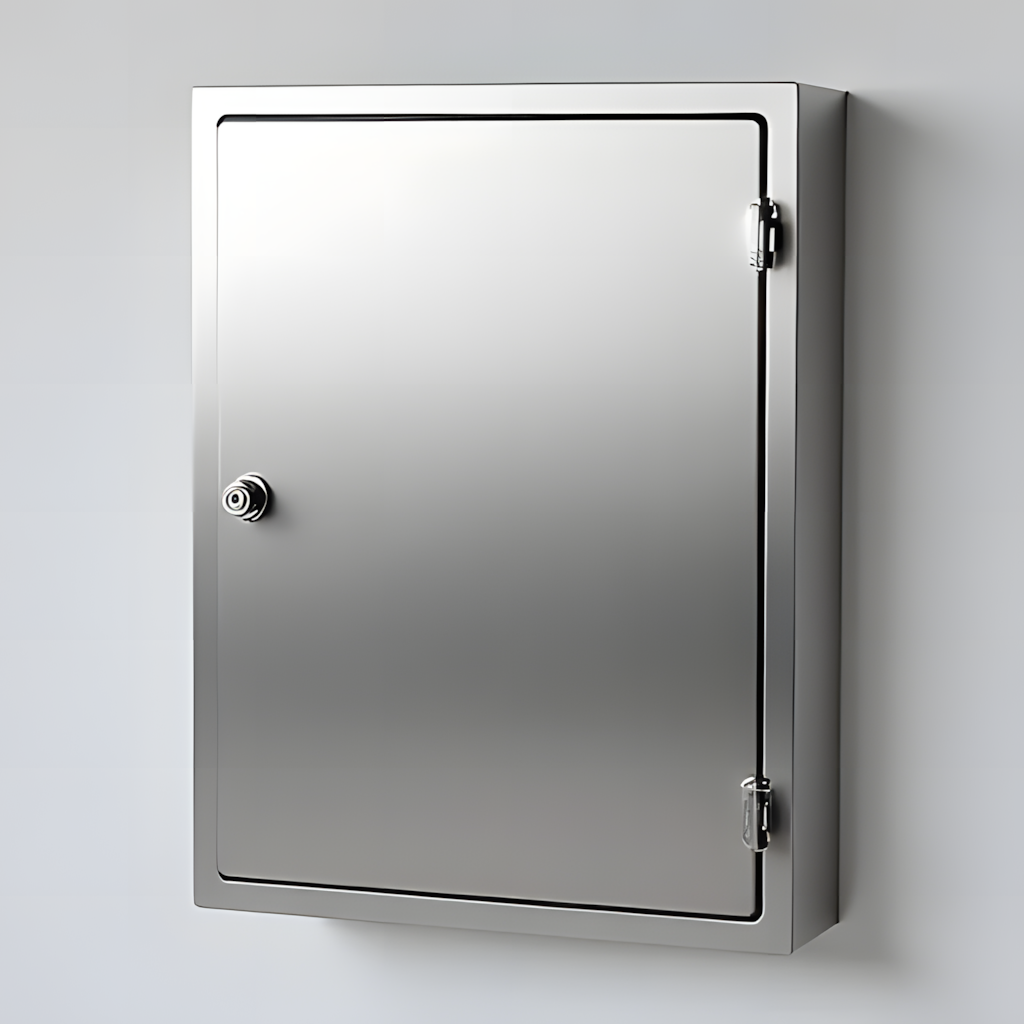
Why Stainless Steel
Stainless steel is a common material for industrial enclosure shells and cabinet bodies because it combines strength with corrosion resistance.
Key Advantages
- Corrosion resistance for indoor and outdoor use
- Durability in demanding industrial environments
- Cleanability for food, medical, and washdown areas
Material Options
Common grades include 304 and 316 stainless steel. 316 adds molybdenum for better resistance to chlorides and marine environments.
Customization
We build stainless steel enclosure shells and cabinet bodies to your drawings and specifications, including size, cutouts, mounting, and finishing.
Get a Quote
Contact us with your requirements at our contact page.
Durability Begins With Design
Stainless steel resists many environments, but water traps, crevices, salt deposits and incompatible fasteners can shorten service life. Sloped surfaces, drainage and accessible cleaning areas should be considered before the drawing is released.
Protect the Surface During Fabrication
Dedicated handling, suitable tools and controlled grinding help reduce embedded contamination. Specify brushing direction, weld appearance and protected cosmetic zones. Post-fabrication treatment should match the project requirement rather than being assumed.
Manage Gaskets and Hardware
Hinges, locks, fasteners and gasket retainers should suit the environment. Door alignment and gasket compression need periodic inspection because a durable metal body cannot compensate for damaged seals or loose hardware.
Plan Cleaning and Inspection
Maintenance frequency depends on salt, dust, chemicals and washdown practices. Use cleaning methods compatible with the grade and finish. Inspect seams, welds, drainage points, cable entries and areas where deposits collect.
Document Site-Specific Limits
Record the selected grade, finish, cleaning method and replacement parts. Corrosion resistance and enclosure ratings apply only to the documented configuration and exposure.
Review stainless grade selection and the inspection process. For a site-specific enclosure, use the contact page.
Include Maintenance in the RFQ
Ask for recommended cleaning limits, replacement gasket information and any inspection records required at delivery. Maintenance planning is most useful when it is tied to the real finish, hardware and installation environment.
Photographs and inspection notes can help track surface change over time and support consistent maintenance decisions across similar installations.











