
The mechanical properties of materials play a vital role in determining the right processing technology for cabinet parts. They influence the design silently but directly. In real production scenarios, hot-rolled and cold-rolled steel plates show clear differences in how easily they can be processed. Hot-rolled steel plates usually become the first choice for many structural parts because they offer better ease of processing. Aluminum plates also perform well during machining. However, because they don’t weld as well, they work better in modular cabinet structures that use assembly instead of welding.
Compared with cast or forged parts, sheet metal cabinets offer several benefits. They are stronger, lighter in structure, easier to manufacture, and don’t require complex equipment. Their flat surfaces reduce extra cutting and shaping, which also reduces the weight and shortens the production cycle. That makes them a cost-effective option.
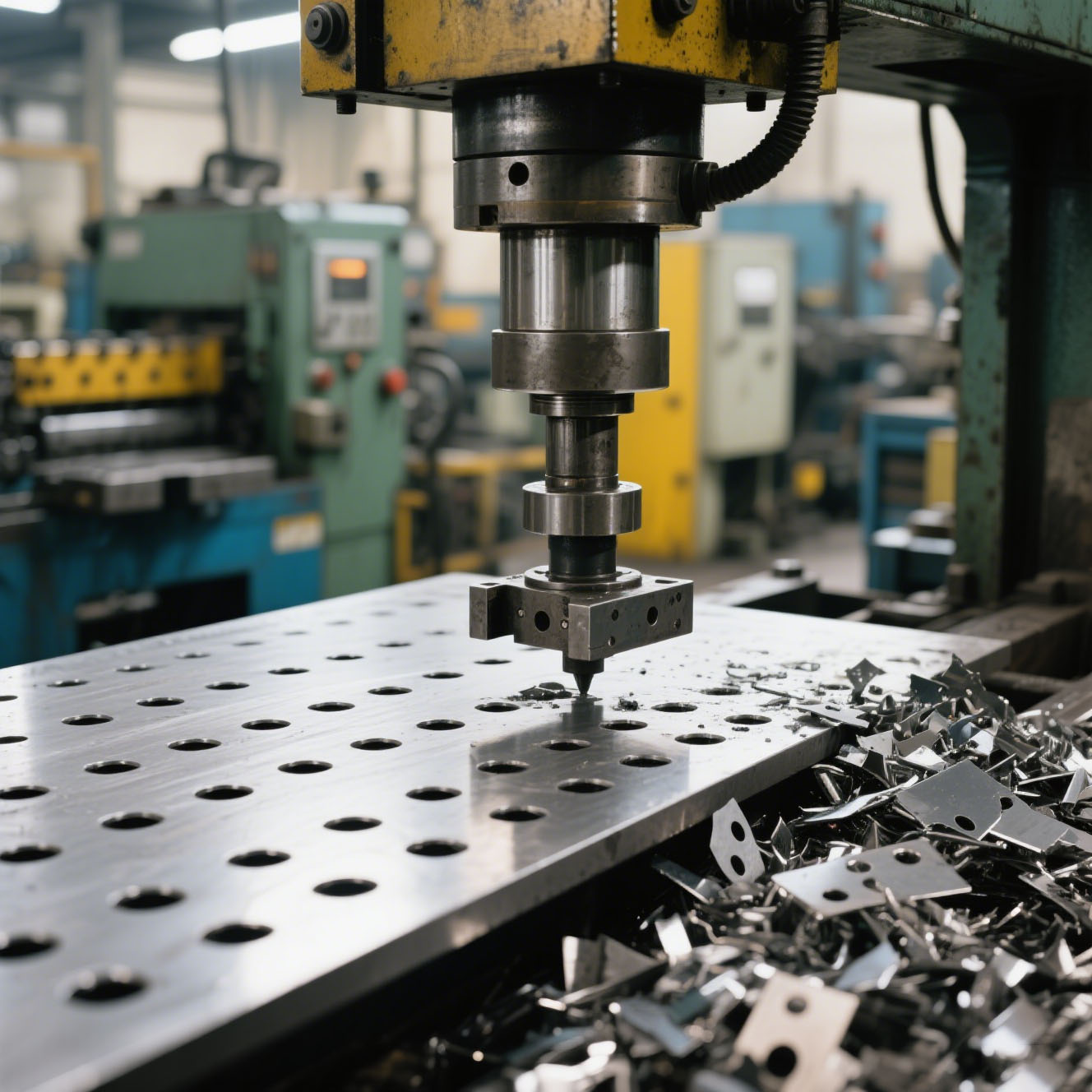
1. The Decisive Role of Material Properties in Punching and Shearing
The punching and shearing process relies heavily on the plasticity of the sheet metal. If the material is too stiff or too brittle, it can lower both the quality of the finished product and the production yield.
Soft materials perform well:
Soft metals like pure aluminum, anti-rust aluminum, brass, copper, and low-carbon steel usually handle punching very well. They allow us to produce parts with smooth cross-sections and minimal slant, leading to excellent results.
Hard materials cause more problems:
Harder metals, such as high-carbon steel, stainless steel, and both hard and super-hard aluminum, generally don’t produce clean punching results. The cut surfaces can be uneven, especially when the metal is thick, which adds to processing difficulty.
Brittle materials pose risks:
Brittle metals often tear during punching. The risk is especially high when the workpieces are narrow. We need to stay cautious and carefully plan the punching process when using these types of materials.
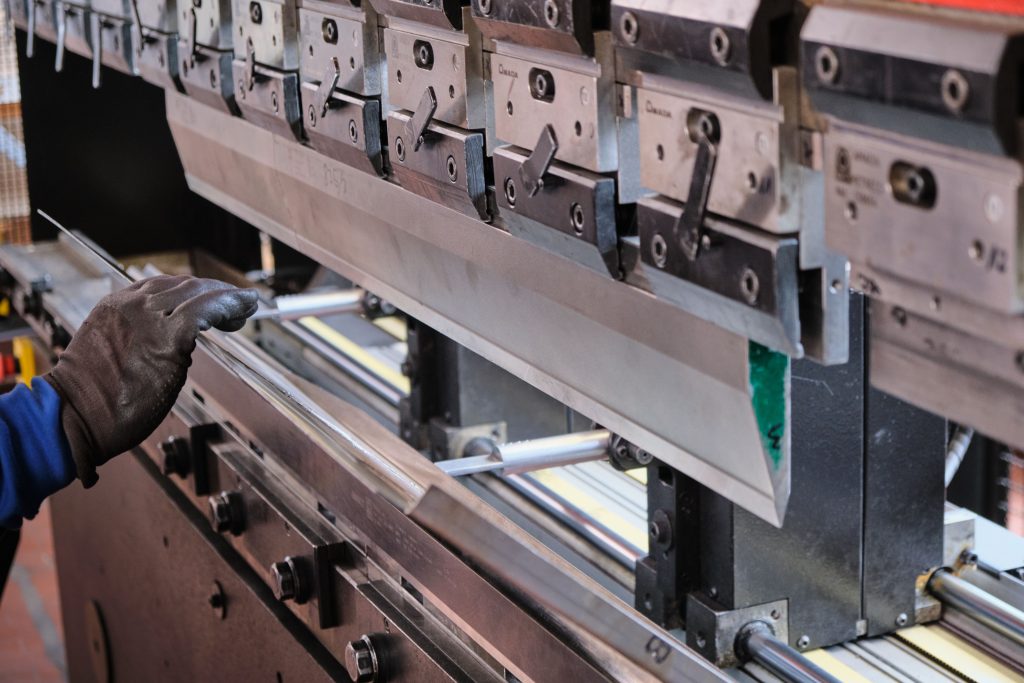
2. The Key Role of Material Properties in Cabinet Processing
Bending requires the material to have good flexibility and a low yield point. If the sheet has high flexibility, it’s less likely to crack when bent. Also, if the yield limit and elasticity are low, the material will bounce back less after bending, making it easier to maintain precise shapes.
Good candidates for bending include:
Low-carbon steel, brass, aluminum, and other metals with good flexibility and carbon content under 0.2%. These materials bend easily without cracking and help maintain accurate dimensions.
Risky materials for bending:
Phosphor bronze (QSn6.5-2.5), spring steel (65Mn), hard aluminum, and super-hard aluminum often crack when bent. To reduce this risk, we must use a larger bending radius (R/T). It’s also important to pay attention to hardness. Metals like high-carbon steel or brittle materials in a hardened state may crack or break at the outer edges during bending. We can avoid these issues by treating the material beforehand or adjusting the process.
Process Optimization Suggestions:
When designing cabinet components, we should always match the processing plan with the material’s mechanical data, such as elasticity and yield strength. For example, when punching, we choose materials with a suitable range of hardness. For bending, we leave extra space to prevent cracking. By combining proper materials with the right techniques, we can produce high-quality cabinet products efficiently and reliably.











