
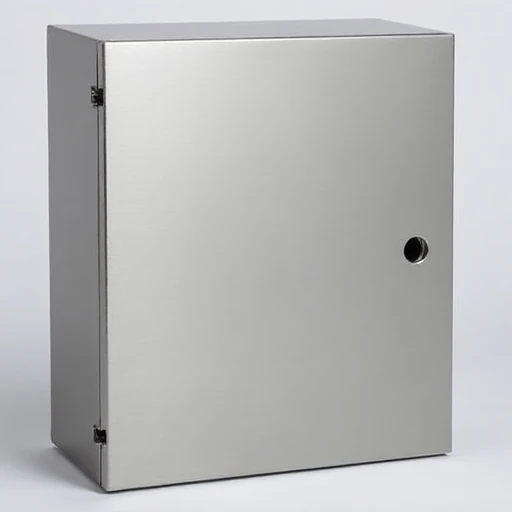
- Metal Enclosure Manufacturing involves meeting the requirements of standardization, specification, and serialization.
We need to improve the generalization, serialization, and standardization of cabinet design. When working on cabinet structure design, we should align new designs with existing ones in both style and size. Additionally, we should make full use of proven modules, commonly used parts, shared components, and standard parts. This should be done to the greatest extent.
In Metal Enclosure Manufacturing, maintaining consistency and compatibility with existing designs helps reduce costs and improve efficiency.
- We should make production, assembly, testing, packaging, and transportation simple and practical
We should actively apply new processes, new technologies, and new materials. This will improve processing methods and promote technical development. When choosing materials for making control cabinets, we should follow principles of practicality and cost savings.
We need to make sure that the common processes used in manufacturing and assembling metal enclosures are both workable and economical. Furthermore, we should ensure that the arrangement of process steps remains correct. Size coordination, reference points for design, positioning, measurement, and assembly should also stay reasonable.
We must consider the ease of buying parts and check if outsourcing is practical.
During assembly, we should avoid cutting parts as much as possible. This will ensure that cabinets can be assembled, adjusted, and maintained easily while keeping their corrosion resistance intact. If we have to process parts again during assembly, it may damage the protective anti-corrosion coating. Thus, we should avoid this to protect the final product quality.
Drawing and Material Control
Confirm revision, material grade, thickness, part quantity and finish before cutting. Approved substitutions should be recorded.
Edges, Corners and Openings
Remove hazardous burrs and define edge treatment. Cutouts must match connectors, glands and operator devices without compromising nearby bends.
Welding and Distortion
Joint design and weld sequence should control squareness and door fit. Cosmetic grinding must not weaken required joints.
Hardware and Assembly
Verify hinges, locks, fasteners, mounting plates and grounding provisions against the BOM. Coating allowances matter at close-fitting interfaces.
Finish, Marking and Packaging
Specify color, texture, masked areas, labels and cosmetic acceptance. Packaging should protect surfaces and control movement during transport.
Final Inspection
Check dimensions, operation, finish and documentation using the approved sampling plan. Review precision enclosure manufacturing and the inspection workflow. Submit the controlled package through the contact page.











