
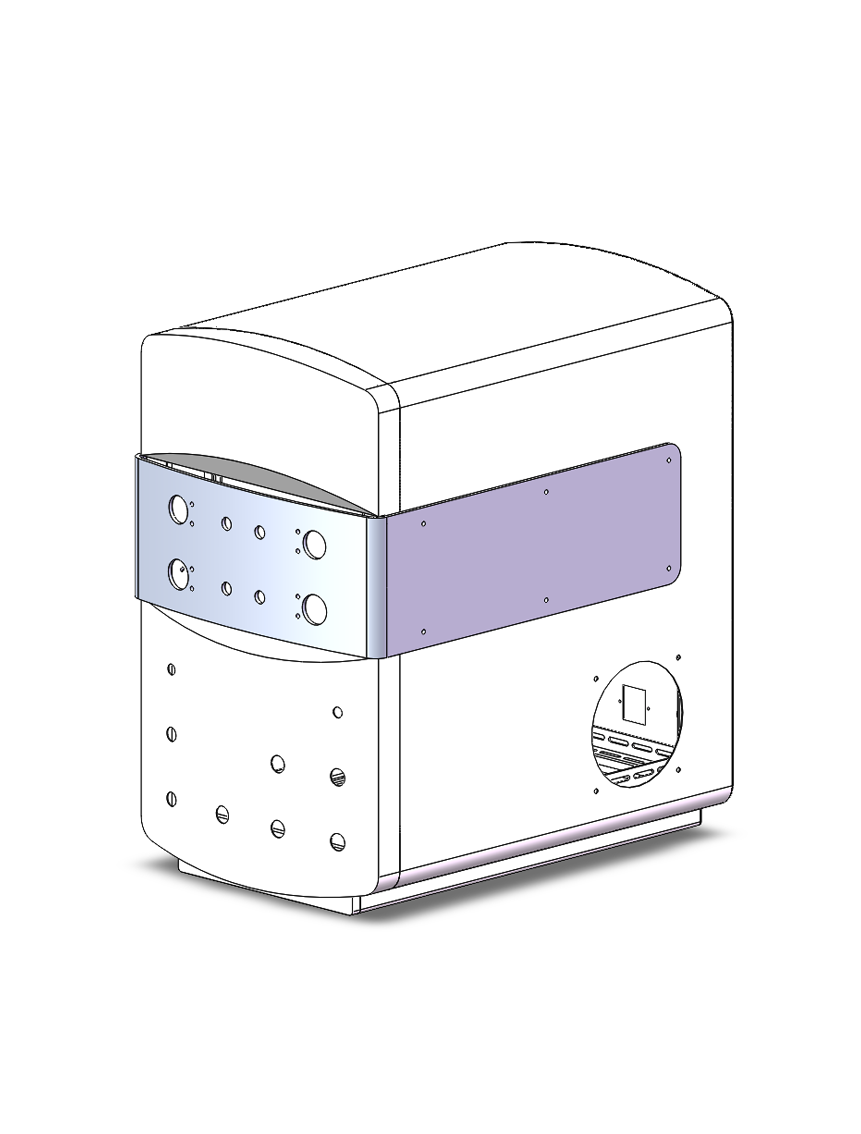
1. General Assembly Drawing of Cabinets
Purpose of the General Assembly Drawing:
(1) Foundation for Drawing Custom Parts
When engineers draw custom (non-standard) cabinet parts, they must follow the sizes and proportions shown in the general assembly drawing. If they don’t, parts may not fit together correctly, and the cabinet can’t be assembled.
(2) Technical Guide for Assembling Cabinets
Workers use the general assembly drawing as a guide during cabinet assembly. They must make sure that all sizes and shapes stay within required limits. If they don’t, they may struggle to install electrical parts, face rework, or lower product quality.
(3) Checklist for Final Inspection
Inspectors use the general assembly drawing to check the cabinet after assembly. If they find problems, they must fix them until the cabinet fully meets the drawing’s requirements.
2. Drawings of Custom Cabinet Parts
Purpose of Custom Part Drawings:
(1) Provide a basis for making tools and equipment for production.
(2) Guide workers during the production of custom parts.
(3) Help process technicians prepare manufacturing instructions.
(4) Serve as the standard for inspecting finished parts.
3. Bill of Materials (BOM) for Cabinet Parts
When assembling cabinets, workers use many standard parts such as screws, bolts, nuts, washers, and spring washers. They also use ready-made items like door locks, hinges, wheels, and lifting eyes. Specialized factories mass-produce these parts, offering low prices and reliable quality. Making them in-house is too expensive, so buying them is the only practical option.
The BOM is a crucial part of cabinet drawings and a must-have in formal manufacturing companies. When drawing cabinet diagrams, engineers must take care not to leave any items out.
Purpose of the Cabinet BOM:
(1) Help the purchasing team place accurate orders.
(2) Guide the warehouse team in checking incoming items and handing out parts to the assembly line.
(3) Support the finance team in calculating product costs.
(4) Assist the assembly team in collecting the correct parts and checking their sizes, types, and quantities.
This article comes from the Electrical Cabinet Technology Center. Please credit the source when sharing or republishing.











