
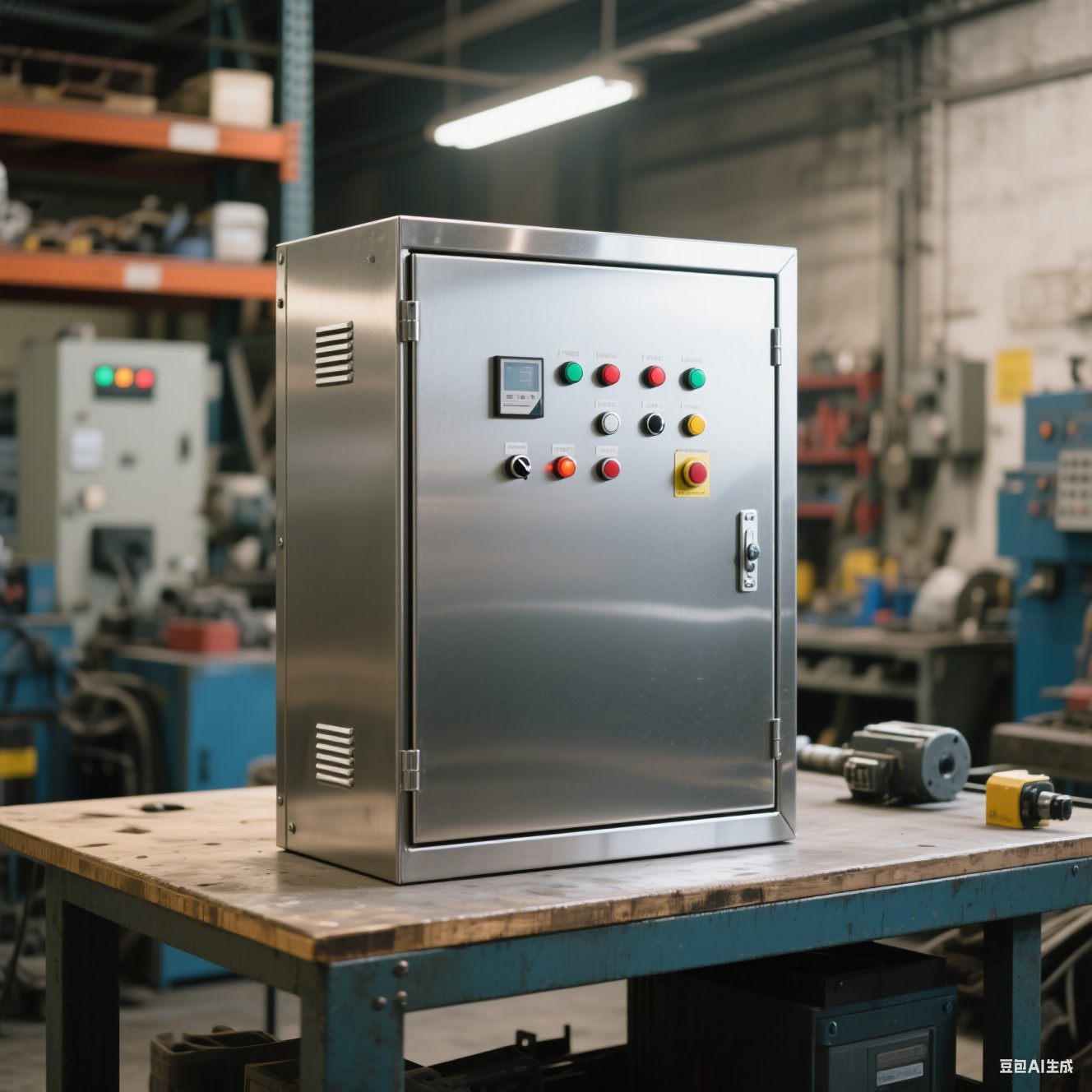
1. Environmental Conditions: The Key Factor for Structural Protection
The main job of electrical control cabinet enclosures is to protect both the equipment and the people who operate it. When considering cabinet design, it is important to keep in mind that all electrical control devices work in specific environments. Key factors that affect them include temperature, humidity, altitude, sandstorms, rain or snow, light, dust, corrosive gases or liquids, and even small animals. In order to keep the system running safely and reliably for a long time, engineers must integrate safety measures in the cabinet’s structure.
Altitude Impact: When the altitude goes over 1000 meters, the thinner air makes it harder for cabinet parts to release heat. This can cause the system to overheat, wear out faster, or even break. To solve this, engineers either make the cabinet bigger to spread out the heat. Alternatively, they install fans to increase airflow.
Corrosion Protection: Cabinets used on ships, wind farms at sea, or oil platforms often face strong saltwater mist. So, they must resist corrosion. Designers usually choose corrosion-proof materials like stainless steel or tough plastic. They also use heavy-duty coatings or add a zinc layer to metal surfaces to stop rust.
2. Maintenance Accessibility and Transportation Safety
2.1 Maintenance Convenience
Cabinet design should make it easy to install and remove parts. It also needs to make sure the parts can be used in different models. Furthermore, they should not change shape easily during use. Designers must consider:
- Ergonomic Layout: They place large drawers and control parts (like buttons, lights, and meters) at a height that most people can reach easily. This is important irrespective of their height.
- Cable Management: They design good cable entry and exit points and seal them well. This prevents scratches, keeps cables firmly in place, and ensures the base fits correctly.
- Future Modifications: They allow users to adjust or upgrade the cabinet later—for example, by using light materials for tall parts. Additionally, they make it easy to swap out parts like fuses.
2.2 Transportation and Installation Safety
- Stability Design: Designers keep the cabinet steady by placing heavy parts carefully. If they can’t balance both sides, they use lighter materials on the heavy side.
- Transport Constraints: They make sure the cabinet fits size limits for shipping (length, width, height). Therefore, they add parts like lifting rings, handles, and places to tie the cabinet down securely.
3. Mechanical Standards: The Technical Foundation for Design
Cabinet structure design includes sheet metal work, mechanical parts, and how strong materials are. Designers follow industry rules:
- Welding Practices: They follow welding standards to place joints correctly and handle the surfaces after welding. They also design special holes for welding so that, once polished and coated, the welds look smooth and clean.
- Process Integration: They work out the cutting and bending steps for metal and make molds and fixtures. Additionally, they write process documents and follow surface finish rules. Finally, they match all these with the factory’s machines, workers, and tools to ensure the cabinet works well.
By handling environmental problems and making maintenance easier, engineers can design cabinets that are safe, strong, and useful. Also, by following mechanical rules, engineers ensure the cabinets remain functional. If you need custom solutions or technical advice, reach out to our team today!











