
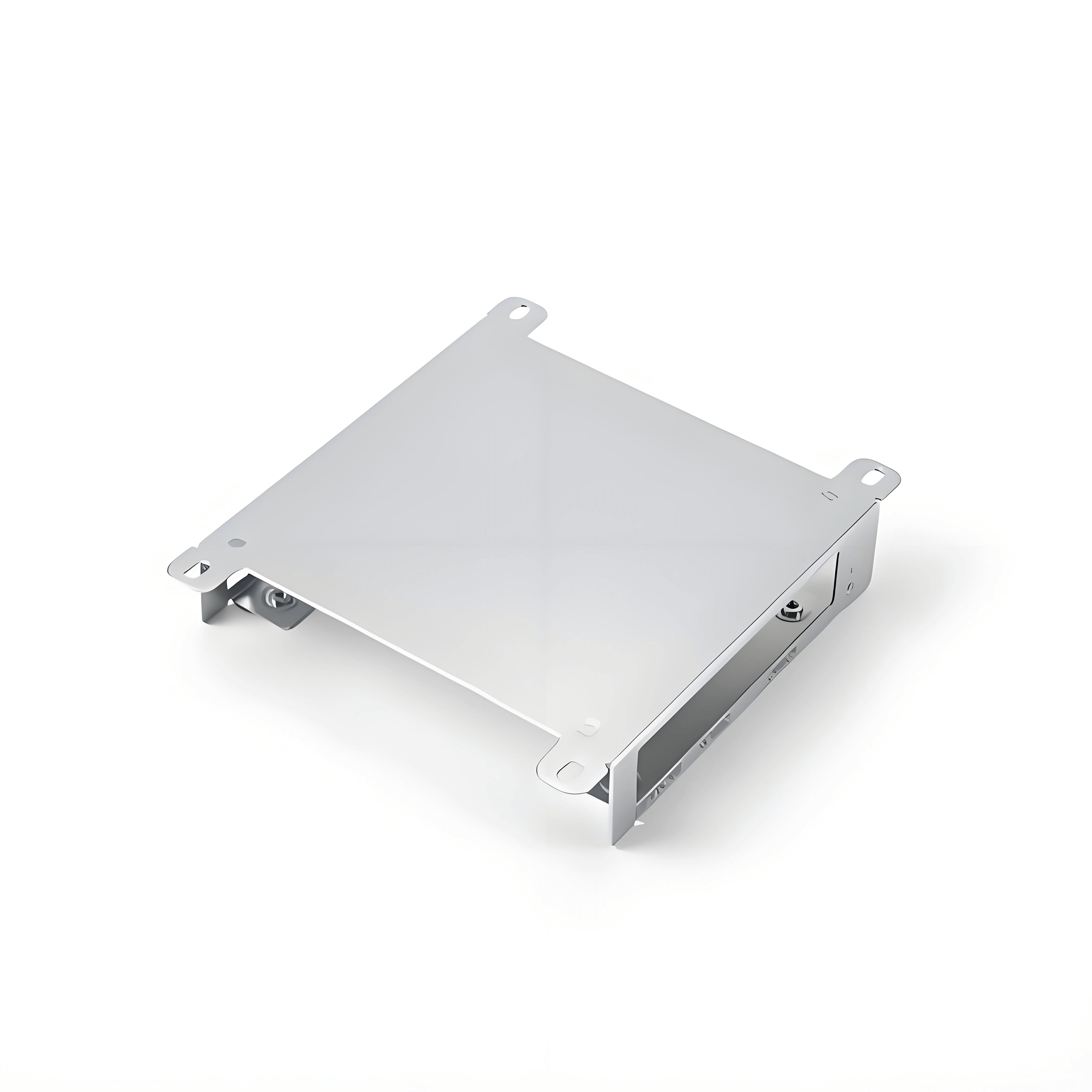
Smart electrical cabinet manufacturing connects controlled design data with cutting, bending, welding, finishing and inspection. The objective is not automation for its own sake. A useful digital workflow reduces interpretation errors, keeps revisions traceable and improves repeatability across prototypes and production batches.
Start With Controlled Design Data
Production should begin from an approved drawing set, 3D model and bill of materials. Part numbers, material grades, thicknesses, finishes and revision identifiers need to agree. A digital file cannot correct incomplete requirements, so open dimensions, cutouts and hardware choices should be resolved before release.
CNC Cutting and Punching
Laser cutting or punching can produce repeatable profiles and openings when the source geometry is correct. Nesting improves sheet utilization, while machine data preserves the relationship between the drawing and the manufactured part. Critical features still require dimensional inspection rather than assuming the machine output is automatically acceptable.
Controlled Bending and Forming
Bend sequence, tooling, material behavior and bend allowance influence final dimensions. CNC programs can improve consistency, but first-off inspection remains important. Datum selection should support the enclosure’s functional interfaces, especially doors, mounting plates, rails and mating panels.
Welding, Assembly and Distortion Control
Fixtures and documented weld sequences help control squareness and distortion. The process should identify joints that affect sealing, appearance or load transfer. After welding and grinding, critical dimensions, door fit and mounting interfaces should be checked before surface finishing.
Inspection and Traceability
- Record drawing and program revisions.
- Inspect first-off parts before batch production.
- Verify critical dimensions after forming and welding.
- Track material, finish and purchased hardware where required.
- Use final inspection criteria tied to the approved configuration.
Information Needed for a Digital RFQ
Send native CAD when available, a controlled PDF, quantities, material, finish, hardware, inspection requirements and packaging constraints. Identify which dimensions are function-critical and which alternatives may be proposed during manufacturability review.
See the laser cutting and welding capabilities and the quality inspection process. Submit the current revision through the contact page for manufacturing review.











