
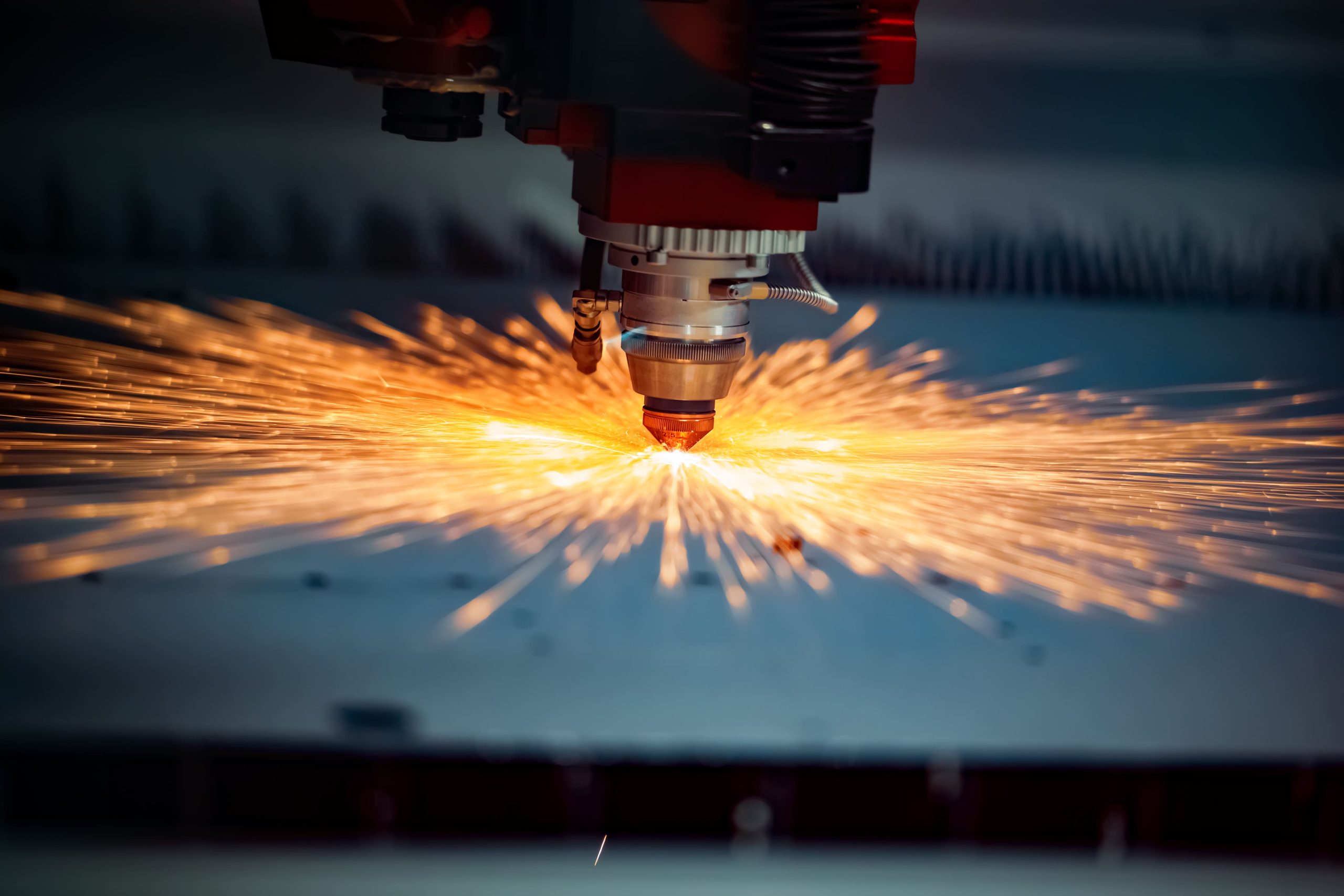
What Is Sheet Metal Laser Cutting?
Introduction to Sheet Metal Laser Cutting
Sheet metal laser cutting is a revolutionary technique that has transformed the way metal is shaped and cut. Unlike traditional cutting methods, which rely on mechanical processes, laser cutting uses a focused laser beam to precisely cut, engrave, or shape sheet metal with high accuracy and minimal material wastage. This technology has become a cornerstone of modern manufacturing, offering efficiency and versatility in various industries.
1: What is Sheet Metal Laser Cutting?
Sheet metal laser cutting is a process where a laser is used to cut and etch metal sheets into desired shapes and sizes. The laser beam is highly concentrated, allowing it to cut through thick and thin metals alike, with extreme precision. The technique is used for a wide range of materials such as stainless steel, aluminum, and copper. The process involves using a laser beam that is focused onto the metal surface, which melts, burns, or vaporizes the material to create the desired cut.
2: History and Evolution of Laser Cutting
Laser cutting technology was first introduced in the 1960s, but it wasn’t until the 1980s that it gained significant popularity in industrial applications. Initially, lasers were used mainly in the aerospace industry, where precise cuts were critical for creating high-quality components. Over the years, the technology evolved, and now sheet metal laser cutting is used across various industries, including automotive, electronics, and medical device manufacturing.
3: Why Sheet Metal Laser Cutting is Important in Modern Manufacturing
In today’s fast-paced manufacturing environment, speed, precision, and cost-efficiency are paramount. Sheet metal laser cutting provides all of these advantages, which is why it is now a go-to technique in industries that require high-quality, intricate designs. Laser cutting can produce parts faster than traditional methods while maintaining a high level of precision, which is critical in industries such as automotive and electronics.
How Does Sheet Metal Laser Cutting Work?
Understanding the mechanics behind sheet metal laser cutting is essential for appreciating why it is such a popular method. Let’s dive into the fundamentals of how this process works.
The Basics of Laser Technology
Laser stands for Light Amplification by Stimulated Emission of Radiation. In simple terms, it refers to a beam of light that is concentrated and focused to achieve high energy levels. The laser beam used in sheet metal cutting is generated by exciting a medium (such as gas or solid material), which then emits light at a very specific wavelength. This intense light is focused through lenses to a tiny spot on the material, where it melts or vaporizes the metal.
1.Types of Lasers Used in Sheet Metal Cutting
There are several types of lasers used for cutting sheet metal, each with its own characteristics. The two most common types are:
- CO2 Lasers: These lasers are excellent for cutting thicker materials and can produce high power output. They are often used for applications requiring precision and efficiency.
- Fiber Lasers: Fiber lasers are known for their energy efficiency and faster cutting speeds, making them ideal for cutting thinner materials with greater accuracy.
2.The Process of Sheet Metal Laser Cutting
Now, let’s break down the actual process of laser cutting.
3. Laser Beam Generation
The laser cutting process starts with the generation of a highly focused laser beam. This beam is produced by a laser resonator, which amplifies the light energy. The laser is then directed to the cutting head, where it is focused on the metal surface.
Focusing and Cutting the Metal
Once the laser beam reaches the metal, the intense heat from the beam melts, vaporizes, or burns the material, depending on the thickness and type of metal. The focused laser beam ensures a clean, precise cut without damaging the surrounding material. The cutting head moves along the programmed path, cutting the metal into the desired shape.
1.The Role of Gas Assistants in Cutting
In many laser cutting systems, gas assistants like oxygen, nitrogen, or compressed air are used to blow away the molten material. These gases also help to cool down the metal and stabilize the cutting process, resulting in cleaner cuts.
2. Benefits of Laser Cutting Over Traditional Methods
Laser cutting offers several advantages over traditional mechanical cutting techniques. For one, it doesn’t require physical contact with the material, reducing the risk of wear and tear on the cutting tools. Moreover, laser cutting can produce more intricate and precise designs compared to mechanical cutting methods, which are limited by the capabilities of the tool.
Applications of Sheet Metal Laser Cutting
Sheet metal laser cutting is widely used across various industries, each benefiting from its unique advantages.
Industries That Benefit from Laser Cutting
1: Automotive Industry
In the automotive industry, laser cutting is used to create intricate parts like body panels, brackets, and exhaust systems. The precision of laser cutting ensures that components fit perfectly, which is crucial in the assembly of vehicles.
2: Aerospace Industry
The aerospace industry requires extremely high-precision parts, and laser cutting provides the accuracy needed to manufacture components such as turbine blades and structural elements. The ability to work with lightweight metals like aluminum and titanium makes laser cutting indispensable in aerospace manufacturing.
3: Electronics Manufacturing
Laser cutting is also used in the electronics industry for cutting circuit boards and creating housing for devices. Its precision allows for the creation of tiny, intricate components that are essential for modern electronics.
Precision and Complexity of Cuts
Laser cutting is especially valued for its ability to create highly detailed designs with precision.
1: Creating Intricate Designs
The accuracy of laser cutting allows manufacturers to produce intricate patterns and designs that would be difficult or impossible to achieve with other methods.
2: Customization and Prototyping
Laser cutting is ideal for prototyping and small-scale production, as it allows for rapid changes to the design and quick turnarounds. This makes it perfect for creating customized parts or limited runs of a product.
Types of Laser Cutting Machines for Sheet Metal
There are different types of laser cutting machines, each suited for specific needs.
1:Fiber Lasers
Fiber lasers use a solid-state medium to generate light, making them energy-efficient and ideal for cutting thin metals with high precision. They are also faster than CO2 lasers in many applications.
2: CO2 Lasers
CO2 lasers are more commonly used for cutting thicker materials and are known for their ability to cut through metals such as steel and aluminum with high power.
3: Solid-State Lasers
Solid-state lasers are used in various high-precision applications. They offer good energy efficiency and are suitable for cutting small, detailed components.
Advantages of Sheet Metal Laser Cutting
Laser cutting has numerous advantages, making it a preferred choice for many manufacturers.
1: Speed and Efficiency
Laser cutting is much faster than traditional methods, allowing manufacturers to produce parts in a fraction of the time.
2: Cost-Effectiveness in the Long Run
Though the initial investment in laser cutting equipment can be high, the reduced need for maintenance and faster production times make it cost-effective over the long term.
3: Reduced Material Waste
Laser cutting minimizes material waste by using precise cuts, which reduces scrap and lowers overall material costs.
4: Clean Edges and High Precision
Laser cutting produces clean, smooth edges, reducing the need for secondary finishing processes and ensuring high precision in every cut.
Challenges of Sheet Metal Laser Cutting
Despite its many advantages, laser cutting does have some drawbacks.
1: High Initial Investment
The machinery for laser cutting can be expensive, making it a significant investment for many businesses, especially small manufacturers.
2: Material Limitations
While laser cutting is effective for many metals, it may not be suitable for very thick materials, and certain alloys can be challenging to cut with lasers.
3: Maintenance and Operator Expertise
Laser cutting systems require skilled operators to ensure they are running optimally, and regular maintenance is needed to prevent costly downtime.
Conclusion
In conclusion, sheet metal laser cutting is an essential technology in modern manufacturing, offering unparalleled precision, speed, and flexibility. It has revolutionized industries ranging from automotive to aerospace and electronics, enabling manufacturers to produce high-quality parts with minimal waste. While the initial cost may be high, the long-term benefits far outweigh the drawbacks, making it a smart investment for many businesses.
1: The Future of Sheet Metal Laser Cutting
As technology continues to advance, the future of sheet metal laser cutting looks bright. With developments in fiber laser technology and automation, laser cutting will become even more efficient and accessible.
2: Summary of Key Benefits and Applications
Sheet metal laser cutting offers benefits such as high precision, speed, and versatility across various industries. It is a valuable tool for creating intricate designs and customizing parts for rapid prototyping and mass production.
FAQs
1: What is the difference between CO2 and fiber lasers in cutting metal?
CO2 lasers are typically better for cutting thicker metals, while fiber lasers are more efficient for cutting thin metals with high precision.
2: Is laser cutting suitable for thick materials?
Laser cutting can handle materials up to a certain thickness, but very thick metals may require more powerful equipment or alternative cutting methods.
3: Can laser cutting be used for non-metal materials?
Yes, laser cutting can be used for a variety of materials, including plastics, wood, and composites.
4: How precise is laser cutting in terms of measurement?
Laser cutting is highly precise, with tolerance levels often as tight as 0.1 mm or less.
5: What is the cost of laser cutting compared to traditional cutting methods?
While the initial investment in laser cutting equipment can be high, the speed, precision, and reduced material waste make it cost-effective over time.











