
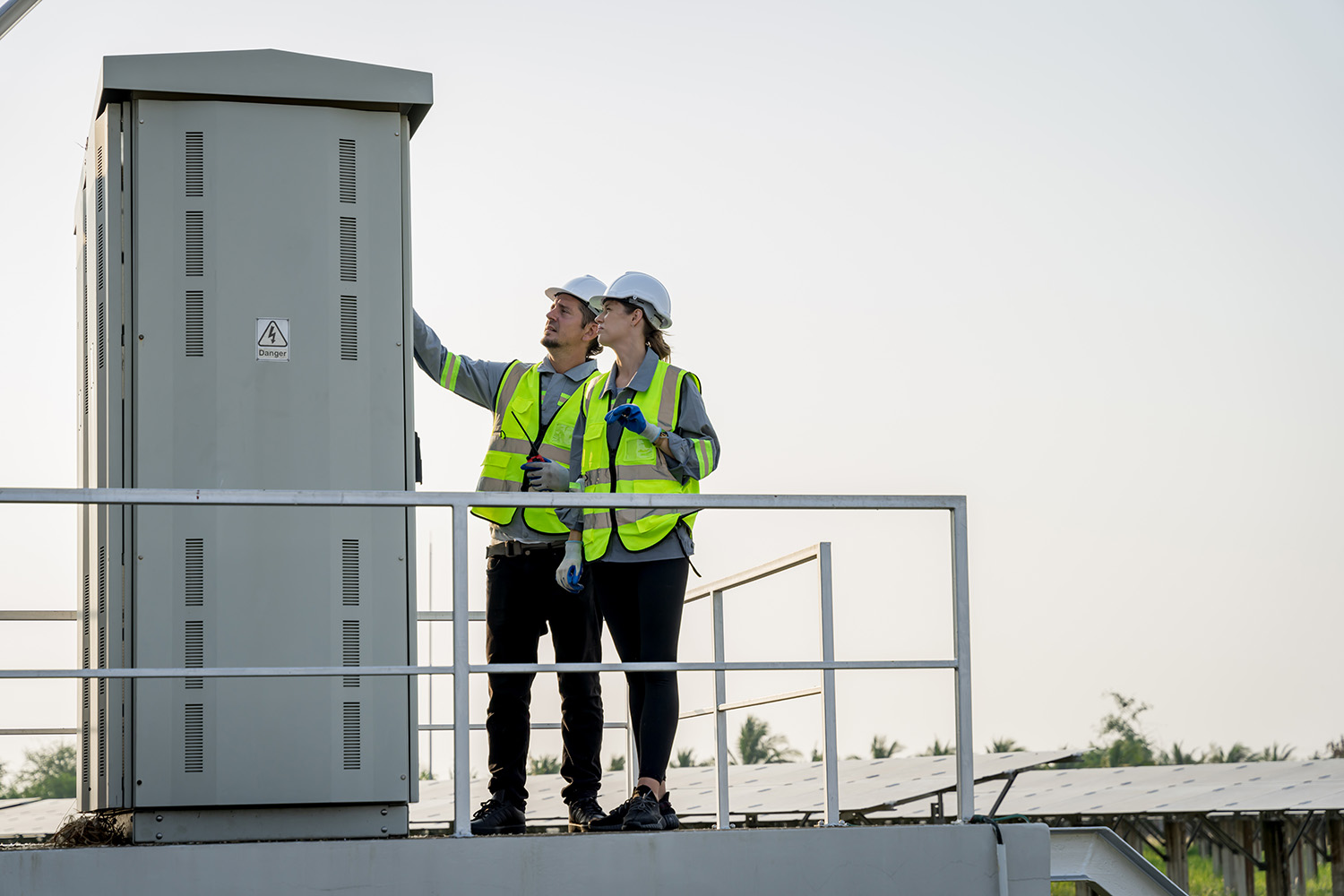
1) Normal working atmospheric conditions
- ① Ambient temperature:
Indoor: -10~55″C
Outdoor: -24~55″C
② Relative humidity: 5%~95% (no condensation or ice inside the cabinet)
③ Atmospheric pressure: 80~110 kPa
2) Storage and transportation atmospheric conditions
- The extreme range of the ambient temperature of the cabinet during storage and transportation should be -40~70″C, and the relative humidity should not exceed 85%; the ambient temperature for long-term storage should be -10~55″C.
3) Other conditions of use
- ① The place of use shall not be subject to explosive, corrosive, conductive, or insulating and surface coating damage media, and serious mold is not allowed to exist
② The place of use shall not be subject to mechanical vibration and impact exceeding the severity level of DL4, and collision exceeding the severity level of K2
Note:Special conditions of use shall be negotiated by the supply and demand parties and stipulated in the supply contract
Related product:Low Voltage Electrical Power Supply Distribution Switch Cabinet Enclosure
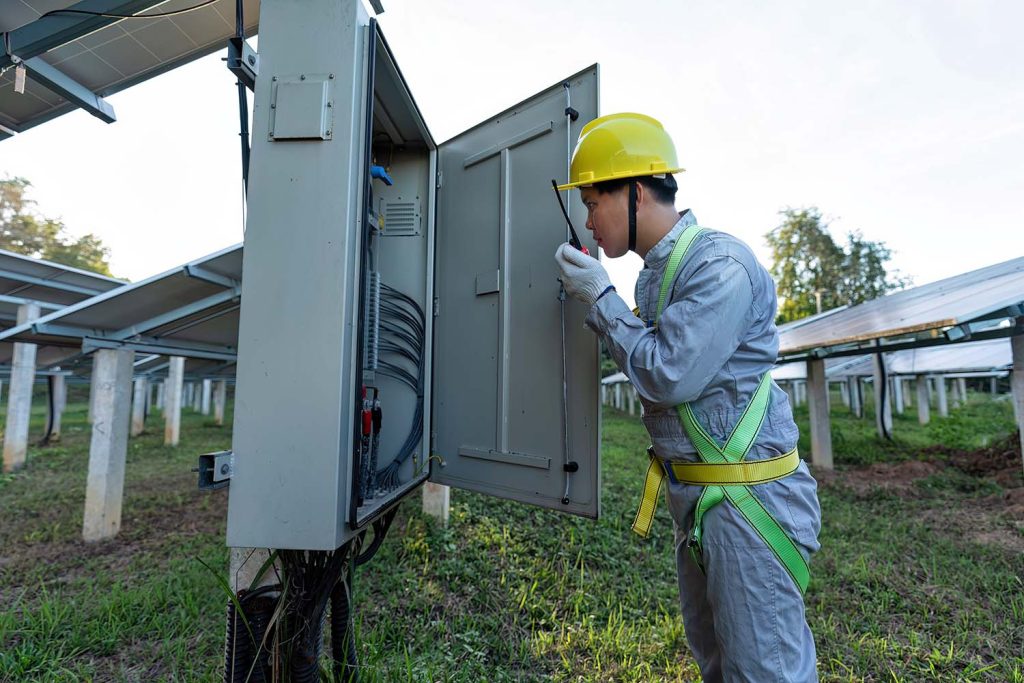
Replace Generic Limits With Project Data
Temperature, humidity, altitude and atmospheric conditions should come from the installation specification. Values used for one cabinet or standard should not be copied to every project.
Address Condensation
Rapid temperature change can create condensation even when average humidity seems acceptable. Drainage, heaters, insulation or controlled ventilation may be needed based on the system design.
Separate Operation From Storage and Transport
Shipping and storage can expose cabinets to different temperature, humidity, shock and vibration. Packaging and lifting provisions should match the route and duration.
Document Mechanical and Chemical Exposure
Record vibration, impact, salt, dust, corrosive media and cleaning practices. These inputs influence material, finish, fasteners, seals and anchoring.
Confirm the Contractual Scope
Special conditions, tests and acceptance records should be agreed in the quotation. Environmental ratings apply only to the defined configuration.
Review the cabinet protection design guide and weather-resistant enclosure options. Submit site data through the contact page.
Record the assumptions in the operating manual and drawing package so installation changes can trigger an engineering review.











